

Ideal Heart Rate For Fat Burning
Have you ever wondered what your ideal heart rate is for burning fat? Understanding this can significantly affect your fitness journey and how effectively you achieve your goals.
Let’s talk about heart rate zones, how to measure them, and the best practices for fat burning.
Understanding Heart Rate
Your heart rate, or the number of times your heart beats per minute (BPM), is an essential indicator of your physical fitness level and overall health. When you exercise, your heart rate increases to supply more oxygen to your muscles. However, not all heart rates yield the same benefits, especially regarding fat burning.
What is Fat Burning?
Fat burning refers to the body’s process of converting fat into energy. Your body can use carbohydrates and fat as fuel sources during physical activity. The higher the intensity of the exercise, the more your body taps into carbohydrate stores. In contrast, when exercising at a lower intensity, your body tends to rely more on fat.
Maximizing fat burning can help you tailor your workouts to meet your goals.
The Importance of Heart Rate Zones
Heart rate zones help determine how effectively you are exercising for fat loss. These zones are classified based on your maximum heart rate (MHR), which varies from person to person.
How to Calculate Your Maximum Heart Rate
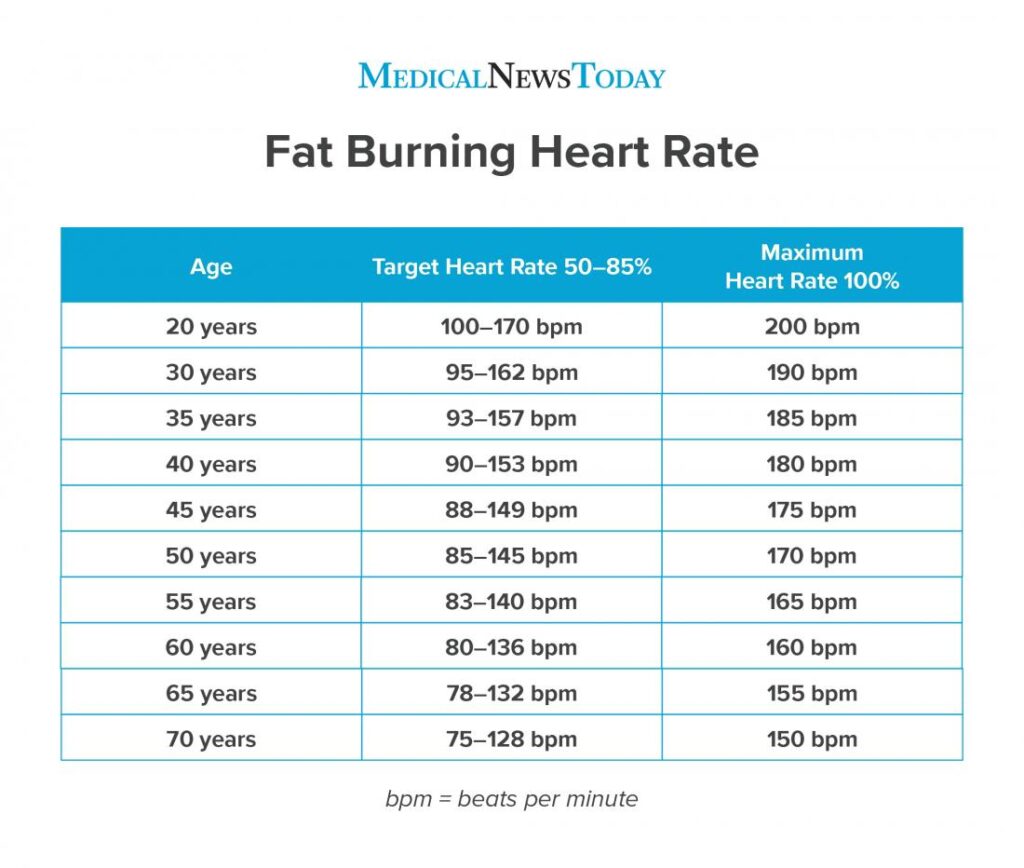
A common formula for estimating your maximum heart rate is simple: subtract your age from 220. For example, if you are 30, the calculation would be 220 – 30 = 190 BPM. Remember that fitness level, genetics, and medications can influence your actual MHR.
Understanding Heart Rate Zones
- Resting Heart Rate (RHR):
- This is your heart rate when you are at rest. It can provide insights into your fitness level. A lower RHR typically indicates better cardiovascular fitness.
- Moderate Intensity Zone (50-70% of MHR):
- This zone is ideal for fat burning. In this range, your body efficiently utilizes fat as an energy source, making it highly effective for weight loss.
- Vigorous Intensity Zone (70-85% of MHR):
- While this zone might burn more calories during the workout, it primarily uses carbohydrates for energy. Therefore, it’s less effective for burning fat.
- Maximum Effort Zone (85-100% of MHR):
- Working out in this zone is great for building endurance and strength but is not ideal for fat loss, as it utilizes glycogen (carbohydrates) instead of fat.
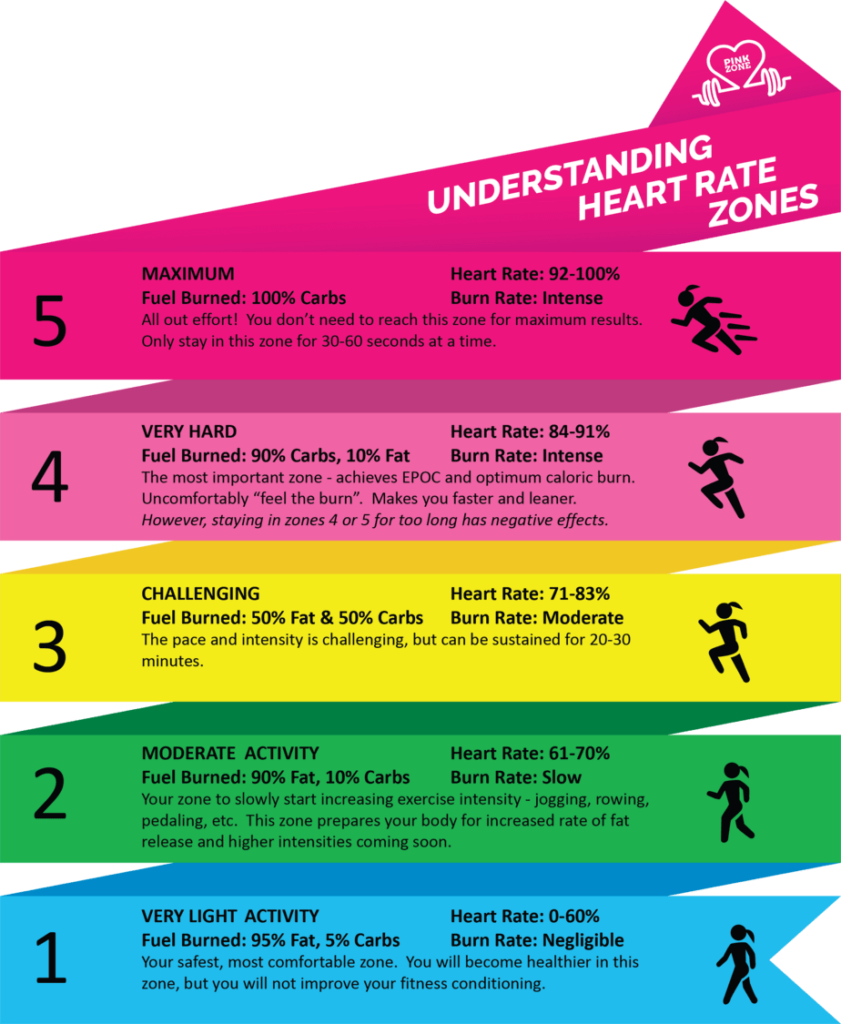
Here’s a simplified breakdown of your heart rate zones:
| Zone | Percentage of MHR | Energy Source | Purpose |
|---|---|---|---|
| Resting Heart Rate | Below 50% | Mainly fat | Recovery and health monitoring |
| Moderate Intensity | 50-70% | Primarily fat | Fat burning and endurance |
| Vigorous Intensity | 70-85% | Primarily carbs | Endurance and calorie-burning |
| Maximum Effort | 85-100% | Glycogen | Strength and speed development |
How to Monitor Your Heart Rate
Several methods can be used to monitor your heart rate, allowing you to stay in your ideal fat-burning zone.
Heart Rate Monitors
A heart rate monitor is a convenient tool worn on your wrist or chest. These devices provide real-time feedback on your heart rate, helping you maintain the desired zone throughout your workout.
Smartwatches and Fitness Trackers
Many modern smartwatches and fitness trackers integrate heart rate monitoring features. They are user-friendly and often have built-in algorithms to help you analyze your performance over time.
Manual Measurement
You can manually check your heart rate if you prefer a more hands-on approach. Find your pulse on your wrist or neck, count the beats for 15 seconds, and multiply by four to get your BPM.
Benefits of Training in the Fat-Burning Zone
Training within the ideal heart rate zone can provide numerous benefits beyond weight loss.
Increased Fat Oxidation
When you exercise at moderate intensity, your body becomes more adept at utilizing fat stores for energy. Over time, this can lead to a more efficient metabolism.
Sustainable Workouts
Exercising in this zone is often more sustainable for more extended periods. You’re less likely to burn out and can maintain a consistent workout routine, leading to better long-term results.
Improved Cardiovascular Health
Regular workouts in the fat-burning zone strengthen your heart, reduce the risk of heart disease, and improve overall cardiovascular health.
Enhanced Recovery
Training in the moderate zone helps your body recover more effectively than high-intensity workouts. This allows you to exercise more often, leading to better fat loss and fitness gains.

Creating Your Fat-Burning Workout Plan
Now that you understand your ideal heart rate for fat burning, it’s time to implement that knowledge. Let’s outline a workout plan incorporating steady-state and interval training to maximize your fat-burning potential.
Steady-State Cardio
Steady-state cardio involves maintaining a consistent pace for an extended period, typically 30-60 minutes. This type of exercise is particularly effective for burning fat and is also sustainable.
Sample Steady-State Cardio Workout
- Warm-Up: 5-10 minutes of light jogging or brisk walking
- Activity: Choose activities such as cycling, swimming, or jogging.
- Duration: 30-60 minutes
- Effort Level: Aim to stay within 50-70% of your MHR
- Cool Down: Gradually reduce your pace for 5-10 minutes, followed by stretching.
Interval Training
Incorporating intervals into your workout regimen can boost fat-burning potential. This method involves alternating between high-intensity bursts and recovery periods.
Sample Interval Training Workout
- Warm-Up: 5-10 minutes of light jogging or brisk walking
- Intervals:
- High Intensity (80-90% MHR): 30 seconds of sprinting or fast cycling
- Recovery (50-60% MHR): 1-2 minutes of walking or slow cycling
- Repeat: 6-10 times depending on your fitness level
- Cool Down: 5-10 minutes of light jogging or brisk walking, followed by stretching.
Nutrition for Fat Burning
While heart rate training plays a significant role in fat loss, nutrition is equally important in your journey. Eating the right foods can enhance your workout performance and recovery.
Macronutrient Balance
- Protein:
- Incorporate lean proteins such as chicken, fish, legumes, and tofu. Protein helps with muscle repair and recovery while also promoting satiety.
- Carbohydrates:
- Choose whole grain options and complex carbs, such as brown rice, quinoa, and vegetables, to fuel your workouts.
- Fats:
- Include healthy fats, such as avocados, nuts, and olive oil, which help with hormone regulation and overall health.
Hydration
Staying hydrated is essential when exercising to maintain optimal performance. Water is vital for transporting nutrients, regulating body temperature, and preventing fatigue.
Pre- and Post-Workout Nutrition
- Pre-Workout:
- Consume a light meal or snack containing carbohydrates and protein about 30-60 minutes before exercising to fuel your workout effectively.
- Post-Workout:
- After exercising, aim to eat a meal rich in protein and carbohydrates within 30 minutes to promote muscle recovery and replenish glycogen stores.
Assessing Your Progress
Tracking your progress is crucial to seeing actual results. Regular assessments can provide insights into your workouts and help you stay motivated.
Keeping a Workout Journal
Please record your workouts, including duration, intensity, and feelings during each session. This information helps you adjust your routine to remain aligned with your goals.
Utilizing Fitness Apps
Many fitness apps allow you to log workouts and monitor your heart rate. These tools can also track your nutrition, making it easier to stay accountable.
Monthly Fitness Assessments
To evaluate your progress, you can perform fitness assessments every four weeks. These can include measurements, body fat percentage, and how you feel during your workouts.
Common Misconceptions
You may encounter various myths about fat burning as you navigate your fitness journey. Let’s clear up some common misconceptions.
Spot Reduction is Possible
It’s a common belief that you can lose fat from specific areas of your body by targeting them with exercise. Unfortunately, fat loss occurs throughout the entire body and is largely influenced by genetics and overall body composition.
You Can’t Burn Fat Without Cardio
While cardiovascular exercise is beneficial, it’s not the only way to burn fat. Strength training and high-intensity workouts can also provide substantial fat-burning benefits and improve muscle definition.
You Need to Train at a High Intensity to Burn Fat
Many folks think that only high-intensity workouts yield results. Lower-intensity workouts can effectively burn fat within the right heart rate zone and might be more enjoyable and sustainable.

Understanding your ideal heart rate for fat-burning empowers you to maximize your workouts and achieve your fitness goals. You can create a sustainable and effective fat-burning routine by incorporating steady-state cardio, interval training, proper nutrition, and tracking your progress. Embrace the journey, and remember that consistency is key!
Related Topics About Ideal Heart Rate For Fat Burning
Ideal Heart Rate For Fat Burn,
The Best Heart Rate For Fat Burning,
What Is Ideal Heart Rate For Fat Burning,
What Target Heart Rate For Fat Burning,
Whats A Good Fat Burning Heart Rate
==========
Content 10/10/G


