
When you embark on the journey of losing fat and building muscle, it’s essential to grasp the fundamental principles that govern these processes. At its core, fat loss occurs when you create a caloric deficit, meaning you consume fewer calories than your body expends. This deficit forces your body to tap into its fat reserves for energy, leading to weight loss.
On the other hand, building muscle requires a caloric surplus, where you consume more calories than you burn, providing your body with the necessary nutrients to repair and grow muscle fibers after workouts. Balancing these two goals can be challenging, but understanding how they work together is crucial for your success. Moreover, it’s important to recognize that losing fat and building muscle are not mutually exclusive.
With the right approach, you can achieve both simultaneously, especially if you are new to training or returning after a break. Your body is highly adaptable, and with a well-structured plan, you can stimulate muscle growth while shedding excess fat. This dual approach often involves a combination of strength training, cardiovascular exercise, and proper nutrition.
By focusing on these elements, you can create a sustainable routine that promotes overall health and fitness.
Key Takeaways
- Understanding the basics of losing fat and building muscle is essential for creating an effective workout plan.
- Designing an effective workout plan for fat loss and muscle building requires a combination of resistance training and cardiovascular exercise.
- Incorporating High Intensity Interval Training (HIIT) into your workouts can help maximize fat loss and improve cardiovascular fitness.
- Resistance training is crucial for building lean muscle and increasing metabolism for long-term fat loss.
- Utilizing compound exercises, such as squats and deadlifts, can help maximize fat loss and muscle gain by targeting multiple muscle groups simultaneously.
- Nutrition plays a crucial role in supporting fat loss and muscle building, and should be tailored to individual goals and needs.
- Rest and recovery are essential components of a successful fat loss and muscle building program, allowing the body to repair and grow stronger.
- Tracking progress and making adjustments to your workout plan is important for continued success and reaching your fitness goals.
Designing an Effective Workout Plan for Fat Loss and Muscle Building
Building a Balanced Workout Routine
Aim for at least three to four days of strength training per week, focusing on different muscle groups to allow for recovery. Incorporating compound movements will maximize your efficiency and effectiveness during these sessions. In addition to strength training, integrating cardiovascular workouts into your routine is essential for burning calories and improving your overall fitness.
Cardiovascular Exercise for Fat Loss and Endurance
You might consider steady-state cardio sessions, such as jogging or cycling, alongside more intense interval training. This combination not only helps with fat loss but also enhances your endurance and stamina. Remember to listen to your body and adjust the intensity and duration of your workouts as needed.
Consistency and Enjoyment are Key
Consistency is key; therefore, finding activities you enjoy will make it easier to stick with your plan over the long term.
Incorporating High Intensity Interval Training (HIIT) into Your Workouts
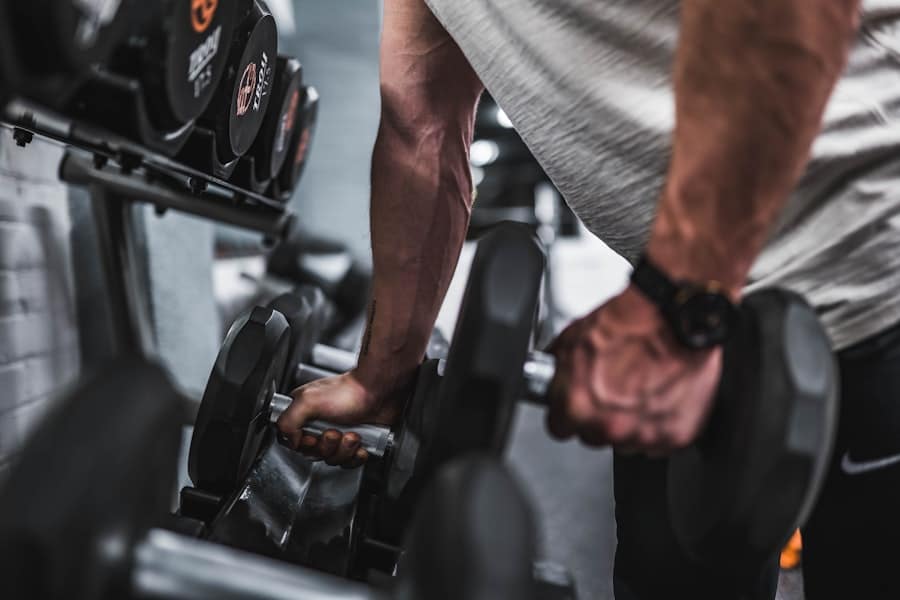
High Intensity Interval Training (HIIT) has gained popularity in recent years due to its effectiveness in burning fat while preserving muscle mass. This training method involves alternating between short bursts of intense exercise and periods of rest or lower-intensity activity. The beauty of HIIT lies in its efficiency; you can achieve significant results in a shorter amount of time compared to traditional steady-state cardio workouts.
By incorporating HIIT into your routine, you can elevate your heart rate, boost your metabolism, and enhance your overall fitness level. To get started with HIIT, choose exercises that engage multiple muscle groups, such as burpees, sprints, or kettlebell swings. A typical HIIT session might last anywhere from 15 to 30 minutes, making it easy to fit into a busy schedule.
As you progress, you can increase the intensity or duration of the high-intensity intervals to continue challenging yourself. Remember that proper form is crucial during these high-energy bursts; prioritize technique over speed to prevent injury. By integrating HIIT into your workout plan, you’ll not only accelerate fat loss but also improve your cardiovascular health and endurance.
Importance of Resistance Training for Building Lean Muscle
Resistance training is a cornerstone of any effective program aimed at building lean muscle mass. This type of training involves using weights or resistance bands to create tension in your muscles, stimulating growth and strength development. Engaging in regular resistance training not only helps you build muscle but also increases your resting metabolic rate, meaning you’ll burn more calories even when you’re not exercising.
This is particularly beneficial for those looking to lose fat while maintaining or increasing muscle mass. When designing your resistance training program, focus on progressive overload—gradually increasing the weight or resistance you use over time. This principle ensures that your muscles are continually challenged, promoting growth and adaptation.
Aim for a mix of exercises that target all major muscle groups, including compound movements like squats, deadlifts, and bench presses. These exercises engage multiple joints and muscles simultaneously, making them highly effective for building strength and size. By prioritizing resistance training in your routine, you’ll set a solid foundation for achieving your fat loss and muscle-building goals.
Utilizing Compound Exercises for Maximum Fat Loss and Muscle Gain
Compound exercises are an essential component of any effective workout plan aimed at maximizing fat loss and muscle gain. These movements involve multiple joints and muscle groups working together, allowing you to lift heavier weights and burn more calories in less time. Examples of compound exercises include squats, deadlifts, bench presses, and pull-ups.
By incorporating these exercises into your routine, you can achieve greater overall strength and efficiency in your workouts. One of the key benefits of compound exercises is their ability to stimulate the release of hormones like testosterone and growth hormone, which play a significant role in muscle development and fat loss. Additionally, because these exercises require more energy expenditure than isolation movements (which target a single muscle group), they can help you create a larger caloric deficit when combined with a proper diet.
As you progress in your training, focus on mastering the form of these exercises before increasing the weight to ensure safety and effectiveness.
The Role of Nutrition in Supporting Fat Loss and Muscle Building

Building Blocks for Muscle Repair and Growth
A balanced diet rich in whole foods—such as lean proteins, healthy fats, whole grains, fruits, and vegetables—will provide the necessary building blocks for muscle repair and growth while also promoting fat loss.
Macronutrient Ratios and Meal Timing
Pay attention to your macronutrient ratios; typically, a higher protein intake is beneficial for muscle synthesis while managing caloric intake for fat loss. In addition to focusing on macronutrients, consider the timing of your meals around your workouts. Consuming a protein-rich meal or snack before and after exercise can enhance recovery and support muscle growth.
Hydration: The Key to Optimal Bodily Functions
Staying hydrated is equally important; water plays a crucial role in various bodily functions, including digestion and nutrient absorption. By prioritizing nutrition alongside your workout regimen, you’ll create an environment conducive to achieving both fat loss and muscle-building goals.
Rest and Recovery: Essential Components of a Successful Fat Loss and Muscle Building Program
Rest and recovery are often overlooked aspects of any fitness program but are crucial for achieving optimal results in fat loss and muscle building. When you exercise, especially during resistance training sessions, you create small tears in your muscle fibers. It’s during the recovery phase that these fibers repair themselves and grow stronger.
Without adequate rest, you risk overtraining, which can lead to fatigue, decreased performance, and even injury. To ensure proper recovery, prioritize getting enough sleep each night—aim for seven to nine hours—to allow your body to repair itself fully. Additionally, consider incorporating active recovery days into your routine; activities like light walking or yoga can promote blood flow without placing excessive strain on your muscles.
Listening to your body is key; if you feel fatigued or sore, don’t hesitate to take an extra rest day or modify your workout intensity. By valuing rest as an integral part of your program, you’ll enhance your performance and results over time.
Tracking Progress and Making Adjustments to Your Workout Plan
Tracking your progress is essential for staying motivated and ensuring that you’re on the right path toward achieving your fat loss and muscle-building goals. Regularly assessing your performance can help you identify what’s working well and what may need adjustment in your workout plan. Consider keeping a workout journal where you log exercises performed, weights lifted, sets completed, and any changes in body measurements or weight over time.
As you track your progress, be open to making adjustments based on what you observe. If you find that certain exercises are no longer challenging or that you’re plateauing in terms of strength gains or fat loss, it may be time to change up your routine or increase the intensity of your workouts. Additionally, don’t hesitate to seek guidance from fitness professionals if needed; they can provide valuable insights tailored to your specific needs and goals.
By consistently monitoring your progress and being willing to adapt your approach as necessary, you’ll set yourself up for long-term success in both fat loss and muscle building endeavors.
If you’re looking to enhance your Lose Fat And Build Muscle Workout routine, you may want to consider incorporating intermittent fasting. Intermittent fasting has been shown to help with weight loss and muscle building by promoting fat burning and increasing muscle protein synthesis. To learn more about the benefits of intermittent fasting, check out this article on intermittent fasting.
FAQs
What is the best workout to lose fat and build muscle?
The best workout to lose fat and build muscle is a combination of strength training and high-intensity interval training (HIIT). This combination helps to increase muscle mass while also burning calories and reducing body fat.
How often should I do a lose fat and build muscle workout?
For best results, it is recommended to do a lose fat and build muscle workout at least 3-4 times per week. This allows for adequate recovery time while still maintaining consistency in your training.
What are some effective exercises for losing fat and building muscle?
Effective exercises for losing fat and building muscle include compound movements such as squats, deadlifts, lunges, bench press, and pull-ups. These exercises work multiple muscle groups at once, leading to greater muscle growth and fat loss.
Should I focus more on cardio or strength training for losing fat and building muscle?
Both cardio and strength training are important for losing fat and building muscle. While cardio helps to burn calories and reduce body fat, strength training is essential for building and maintaining muscle mass. A combination of both is ideal for achieving the best results.
What should I eat to support a lose fat and build muscle workout?
To support a lose fat and build muscle workout, it is important to eat a balanced diet that includes lean protein, healthy fats, complex carbohydrates, and plenty of fruits and vegetables. It is also important to stay hydrated and to eat at regular intervals to support energy levels and muscle recovery.