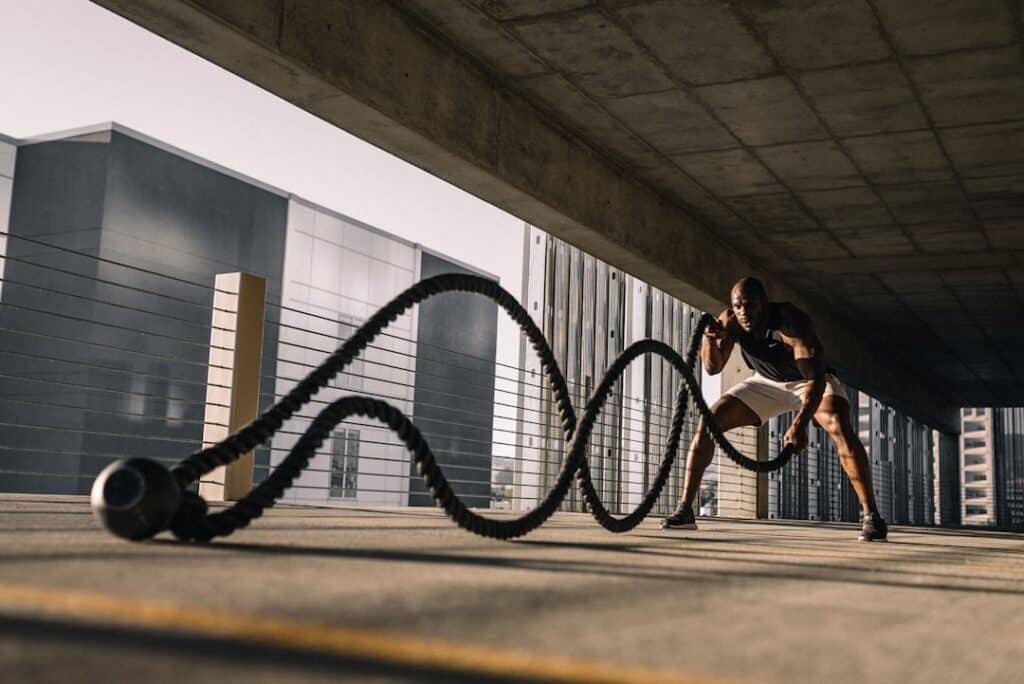
When embarking on a journey to lose fat and gain muscle, it’s essential to grasp the fundamental principles that govern these processes. At its core, fat loss occurs when you create a caloric deficit, meaning you consume fewer calories than your body expends. This deficit forces your body to tap into its fat reserves for energy, leading to a reduction in body fat.
On the other hand, muscle gain, or hypertrophy, requires a caloric surplus combined with resistance training. This means you need to consume more calories than you burn, providing your body with the necessary nutrients to repair and build muscle fibers after workouts. Understanding the balance between these two goals is crucial.
You might find yourself in a situation where you want to lose fat while simultaneously building muscle. This can be challenging because the two processes often require opposing caloric states. However, it is possible to achieve both by focusing on body recomposition, which involves losing fat while gaining muscle simultaneously.
This approach typically requires a well-structured plan that includes proper nutrition, effective workouts, and adequate recovery.
Key Takeaways
- Understanding the basics of fat loss and muscle gain is essential for achieving fitness goals.
- Nutrition tips such as consuming adequate protein and balancing macronutrients are crucial for losing fat and building muscle.
- Effective workout strategies, including resistance training and high-intensity interval training, are key for fat loss and muscle gain.
- The importance of rest and recovery cannot be overstated in achieving fat loss and muscle gain.
- Supplementing with protein, creatine, and other key nutrients can support fat loss and muscle gain.
Nutrition Tips for Losing Fat and Building Muscle
Focus on Whole Foods
To start, focus on consuming a balanced diet rich in whole foods. Prioritize lean proteins, such as chicken, fish, legumes, and tofu, as they are essential for muscle repair and growth.
Protein Intake
Aim for a protein intake of around 1.6 to 2.2 grams per kilogram of body weight daily. This will not only support muscle synthesis but also help keep you satiated, reducing the likelihood of overeating.
Balancing Macronutrients
In addition to protein, incorporate healthy fats and complex carbohydrates into your meals. Healthy fats from sources like avocados, nuts, and olive oil are vital for hormone production and overall health. Complex carbohydrates from whole grains, fruits, and vegetables provide the energy needed for intense workouts. By balancing these macronutrients, you can fuel your body effectively while promoting fat loss and muscle gain.
Effective Workout Strategies for Fat Loss and Muscle Gain
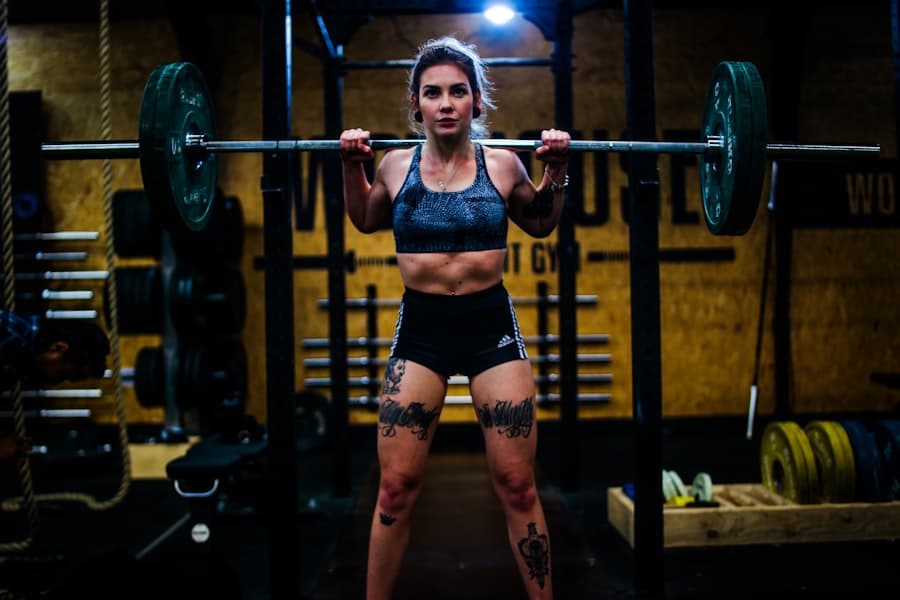
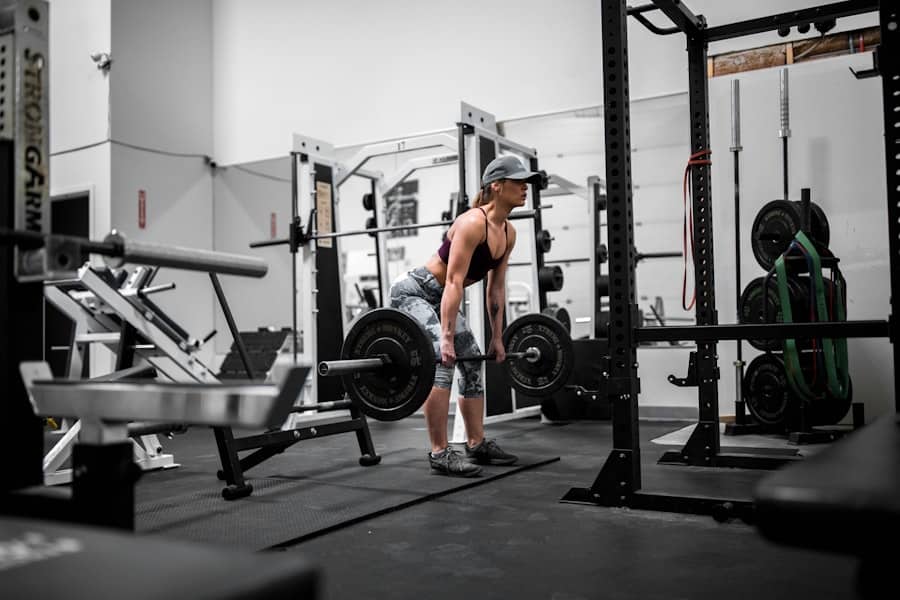
To achieve your goals of fat loss and muscle gain, you need to implement effective workout strategies that challenge your body. Resistance training should be at the forefront of your exercise routine. Engaging in compound movements like squats, deadlifts, bench presses, and rows will recruit multiple muscle groups simultaneously, maximizing your workout efficiency.
Aim for at least three to four sessions of strength training per week, focusing on progressive overload—gradually increasing the weight or resistance to continually challenge your muscles. Incorporating cardiovascular exercise is also beneficial for fat loss. High-Intensity Interval Training (HIIT) can be particularly effective as it allows you to burn calories in a shorter amount of time while preserving muscle mass.
You might consider adding two to three HIIT sessions per week alongside your strength training. This combination of resistance training and cardio will not only help you shed fat but also promote muscle growth when done correctly.
The Importance of Rest and Recovery in Achieving Fat Loss and Muscle Gain
Rest and recovery are often overlooked aspects of any fitness regimen but are crucial for achieving fat loss and muscle gain. When you work out, you create micro-tears in your muscle fibers; it’s during the recovery phase that these fibers repair and grow stronger. Without adequate rest, you risk overtraining, which can lead to fatigue, decreased performance, and even injury.
Make sure to schedule rest days into your routine to allow your body the time it needs to recover. Sleep is another critical component of recovery that should not be underestimated. Aim for seven to nine hours of quality sleep each night to support hormonal balance and overall health.
Sleep deprivation can hinder your progress by increasing cortisol levels—often referred to as the stress hormone—which can lead to weight gain and muscle loss. Prioritizing rest will not only enhance your physical performance but also improve your mental focus and motivation.
Supplementing for Fat Loss and Muscle Gain
While a well-rounded diet should be your primary source of nutrients, certain supplements can support your goals of fat loss and muscle gain. Protein powders can be a convenient way to meet your daily protein requirements, especially if you struggle to consume enough through whole foods alone. Whey protein is popular due to its high biological value and quick absorption rate, making it an excellent post-workout option.
Other supplements worth considering include creatine and branched-chain amino acids (BCAAs). Creatine has been shown to enhance strength and muscle mass by increasing the availability of ATP (adenosine triphosphate) during high-intensity workouts. BCAAs can help reduce muscle soreness and promote recovery when taken before or after exercise.
However, it’s essential to remember that supplements should complement a solid nutrition plan rather than replace it.
Lifestyle Changes to Support Fat Loss and Muscle Gain
To truly succeed in losing fat and gaining muscle, you may need to make some lifestyle changes that support your fitness goals. Start by evaluating your daily habits—are they conducive to your objectives? For instance, consider reducing sedentary behavior by incorporating more movement into your day.
Simple changes like taking the stairs instead of the elevator or going for short walks during breaks can add up over time. Additionally, managing stress is vital for maintaining a healthy lifestyle. Chronic stress can lead to unhealthy eating habits and hinder your progress by affecting hormone levels related to appetite and metabolism.
Explore stress-reduction techniques such as mindfulness meditation, yoga, or engaging in hobbies that bring you joy. By creating a supportive environment both physically and mentally, you’ll be better equipped to achieve your fat loss and muscle gain goals.
Overcoming Plateaus in Fat Loss and Muscle Gain
As you progress on your journey toward fat loss and muscle gain, you may encounter plateaus—periods where you stop seeing results despite your efforts. These plateaus can be frustrating but are a normal part of the process. To overcome them, consider reassessing your caloric intake and adjusting it based on your current weight and activity level.
Sometimes a slight decrease in calories or an increase in physical activity can reignite progress. Another effective strategy is to change up your workout routine. Your body adapts to repetitive exercises over time, which can lead to stagnation in results.
Try incorporating new exercises or varying the intensity of your workouts to challenge your muscles differently. Additionally, consider periodizing your training program—alternating between phases of higher volume and lower volume—to keep your body guessing and promote continuous improvement.
Seeking Professional Guidance for Fat Loss and Muscle Gain
If you find yourself struggling with fat loss or muscle gain despite your best efforts, seeking professional guidance can be incredibly beneficial. A certified personal trainer can provide personalized workout plans tailored to your specific goals while ensuring proper form and technique during exercises. They can also help keep you accountable and motivated throughout your journey.
Additionally, consulting with a registered dietitian can offer valuable insights into nutrition tailored to your individual needs. They can help you create meal plans that align with your goals while considering any dietary restrictions or preferences you may have. With professional support, you’ll have access to expert knowledge that can streamline your efforts toward achieving lasting results in fat loss and muscle gain.
In conclusion, embarking on a journey toward fat loss and muscle gain requires a multifaceted approach that encompasses understanding the basics of nutrition and exercise while prioritizing rest and recovery. By implementing effective strategies in these areas and making necessary lifestyle changes, you can overcome challenges such as plateaus and achieve sustainable results over time. Remember that seeking professional guidance can further enhance your efforts, providing you with the tools needed for success on this transformative journey.
If you’re looking to lose fat and gain muscle, incorporating aerobic exercises into your routine can be incredibly beneficial. Aerobic exercises, such as running, cycling, or swimming, can help you burn calories and improve your cardiovascular health. In addition to aerobic exercises, it’s important to consider the impact of weightlifting on fat loss. According to a recent article on superfatburner.net, lifting weights can also play a significant role in burning fat and building muscle. So, by combining both aerobic exercises and weightlifting, you can maximize your results and achieve your fitness goals more effectively.
FAQs
What are some effective tips for losing fat and gaining muscle?
Some effective tips for losing fat and gaining muscle include following a balanced diet that is high in protein, engaging in regular strength training exercises, getting enough sleep, and staying hydrated.
Is it possible to lose fat and gain muscle at the same time?
Yes, it is possible to lose fat and gain muscle at the same time through a combination of proper nutrition, strength training, and cardiovascular exercise.
How important is nutrition in losing fat and gaining muscle?
Nutrition plays a crucial role in losing fat and gaining muscle. Consuming a diet high in protein, healthy fats, and complex carbohydrates can support muscle growth and aid in fat loss.
What role does strength training play in losing fat and gaining muscle?
Strength training is essential for building muscle and increasing metabolism, which can help with fat loss. It also helps to improve overall body composition.
How much sleep is necessary for losing fat and gaining muscle?
Getting 7-9 hours of quality sleep each night is important for losing fat and gaining muscle. Sleep is essential for muscle recovery and growth, as well as for regulating hormones related to fat loss.
Why is hydration important for losing fat and gaining muscle?
Staying hydrated is important for overall health and can support fat loss and muscle gain by aiding in digestion, nutrient absorption, and muscle recovery.