Have you ever wondered what your optimal fat-burning heart rate might be? Understanding this concept can significantly enhance your fitness journey and help you achieve your weight loss goals more effectively. Let’s break down what it means to be in that perfect range for burning fat, explore how to find it, and discuss why it’s so important for reaching your health objectives.

Understanding Heart Rate Zones
Your heart rate zones are essentially ranges that indicate how hard your heart is working during exercise. Knowing these can help you tailor your workouts for different goals, such as cardiovascular fitness, endurance, and fat burning.
The Basics of Heart Rate
Cardiovascular fitness is crucial, and monitoring your heart rate is one of the best ways to gauge your effort during exercise. Your resting heart rate—measured when you are at rest—provides a baseline. As you get into your workout, your heart rate will increase as your body demands more oxygen.
Why Heart Rate Matters for Fat Burning
When your body needs energy, it can rely on different sources. At lower intensities, your body primarily uses fat as fuel. The key is to exercise at a heart rate that maximizes fat burning, which can help you lose weight more efficiently.
What is the Optimal Fat Burning Heart Rate?
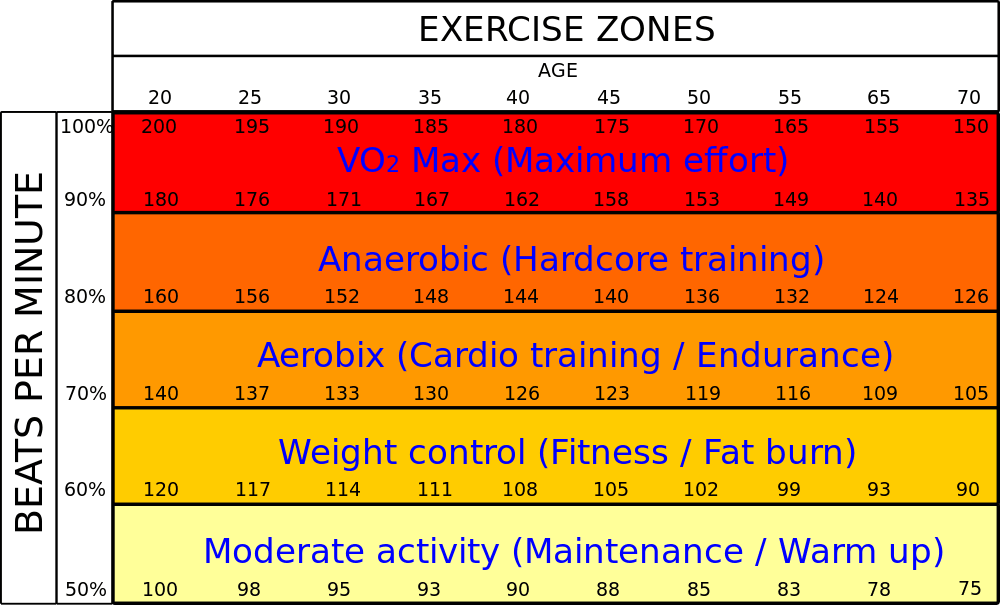
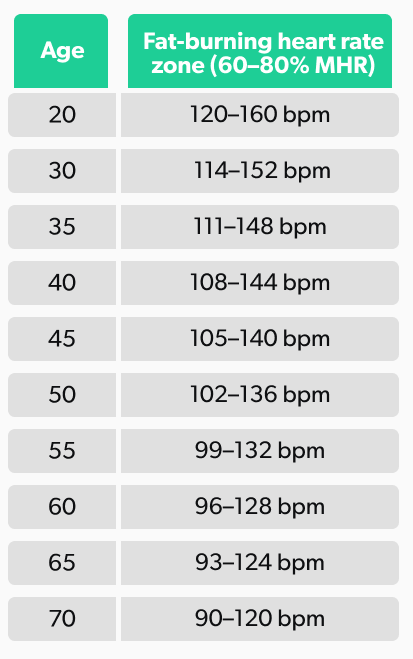
The optimal fat-burning heart rate is typically between 60% and 70% of your maximum heart rate. This zone is known for its effectiveness in utilizing fat as a primary energy source, making it ideal for individuals looking to lose weight.
Calculating Your Maximum Heart Rate
To find your maximum heart rate, a simple formula you can use is:
[ \text = 220 – \text ]
For example, if you are 30 years old, your maximum heart rate would be 190 beats per minute (BPM).
Finding Your Fat Burning Zone
After determining your maximum heart rate, you can easily calculate your fat-burning zone:
- Calculate Your Maximum Heart Rate: For a 30-year-old, it’s 220 – 30 = 190 BPM.
- Calculate Fat Burning Zone:
- Lower limit: 190 x 0.6 = 114 BPM
- Upper limit: 190 x 0.7 = 133 BPM
So, if you are 30 years old, your optimal fat-burning heart rate zone is between 114 and 133 BPM.

How to Monitor Your Heart Rate
Tracking your heart rate during exercise is vital for ensuring you remain within the fat-burning zone. There are several methods you can use to monitor your heart rate.
Using a Heart Rate Monitor
Heart rate monitors come in various forms, from wrist-worn fitness trackers to chest straps. They provide real-time feedback on your heart rate, making it easier for you to adjust your intensity as needed.
Utilizing Smart Devices
Many smartphones and smartwatches come equipped with heart rate monitoring features. You can access this information through fitness apps that show you when you are in your fat-burning zone.
Manually Checking Your Heart Rate
If you prefer a more hands-on approach, you can always take your pulse. To do this:
- Find your pulse at the wrist or neck.
- Count the beats for 15 seconds and multiply that number by four to get your BPM.
Benefits of Exercising in the Fat Burning Zone
Now that you know how to find your optimal fat-burning heart rate, let’s look at the benefits of exercising within this zone.
Increased Fat Oxidation
When you work out in the fat-burning zone, your body is more efficient at burning fat as fuel compared to sugars. This is particularly helpful if your goal is to lose weight or maintain a healthy body composition.
Endurance Development
Exercising at a moderate intensity helps build an efficient cardiovascular system. Over time, your body can transport oxygen more efficiently, leading to greater endurance and stamina.
Sustainable Workouts
The fat-burning zone can often feel more manageable compared to high-intensity workouts. This allows you to maintain your workouts for longer durations, leading to increased calorie expenditure.
Improved Recovery
Working out in this zone promotes better recovery compared to higher intensity workouts. This means less fatigue and soreness, making it easier for you to stick with your fitness regimen.
Different Types of Exercises for Maximizing Fat Burning
While understanding heart rate is crucial, certain types of exercises can help you better achieve this fat-burning goal.
Low-Intensity Steady State (LISS)
LISS involves engaging in steady aerobic exercises such as walking, cycling, or swimming, typically at 50-65% of your maximum heart rate. This method is excellent for beginners or those looking for lower-impact options.
High-Intensity Interval Training (HIIT)
HIIT alternates between short bursts of intense activity and rest or low-intensity periods. While you may spend time in higher heart rate zones, some intervals can still keep you within the fat-burning range, allowing for a mix of benefits.
Resistance Training
Though primarily associated with muscle building, resistance training elevates your heart rate, especially when performed in circuits. Use lighter weights and focus on higher repetitions to keep your heart rate in the fat-burning zone.
Optimizing Your Workouts for Fat Loss
Once you understand your optimal fat-burning heart rate, consider how to integrate this knowledge into your workout routine.
Set Achievable Goals
Start by tracking your workouts and seeing how often you hit your fat-burning zone. Set small, achievable goals for each week or session to help stay motivated.
Create a Balanced Routine
Incorporate various types of exercises into your week. A mix of LISS, HIIT, and strength training will help you reach and maintain your optimal heart rates consistently.
Stay Consistent
Consistency is key in any workout program. Commit to ensuring you work out at least several times a week, keeping your fat-burning heart rate in mind during each session.
Common Misconceptions about Fat Burning
With so much information out there, some myths persist about optimal fat burning that can muddle your understanding. Let’s clarify a few of them.
“You Must Exercise at a High Intensity to Lose Weight”
While it’s true that you’ll burn more calories overall at high intensities, fat loss can be maximized in the optimal fat-burning zone. This is especially true for longer workout sessions.
“All Calories are Equal”
Not all calories provide the same fuel. The source of your calories affects how your body stores and utilizes energy. Emphasizing whole foods and nutrients will make a significant difference in your results.
“Fat Burning Only Occurs During Exercise”
Your body continues to burn fat even after you finish exercising, particularly if you’ve been diligent about maintaining a balanced diet and engaging in regular physical activity.
Nutrition and Fat Loss
To complement your exercise routine, it’s essential to pay attention to your nutrition.
Caloric Deficit
To lose weight, you should consume fewer calories than you burn. Keep this in mind when planning your meals and snacks.
Quality Over Quantity
Focus on nutrient-dense foods rich in vitamins, minerals, and healthy fats. These will support your workouts and recovery, enhancing your overall performance.
Hydration
Staying hydrated is crucial for effective workouts and general health. Be sure to drink plenty of water before, during, and after your workouts to maximize performance.

Tracking Your Progress
Monitoring your progress is vital to understand how well you’re doing with your fat loss efforts.
Use a Fitness Journal
Keeping a journal can help you document your heart rate data, exercise types, and how you feel during each session.
Regular Assessments
Consider periodic assessments, such as body measurements or fitness tests, to determine if you’re making progress toward your goals.
Celebrate Small Wins
It’s essential to recognize your achievements, no matter how small. Every step toward your goal deserves acknowledgment, keeping you motivated.
Conclusion
Finding your optimal fat-burning heart rate is a powerful tool in your fitness journey. By understanding your body, monitoring your heart rate effectively, and incorporating a balanced routine, you’re setting yourself up for success. Pair this knowledge with proper nutrition and consistent effort, and you’ll be well on your way to achieving your weight-loss and fitness goals. Remember, everyone is different, so find what works best for you and enjoy the journey to a healthier, fitter you!