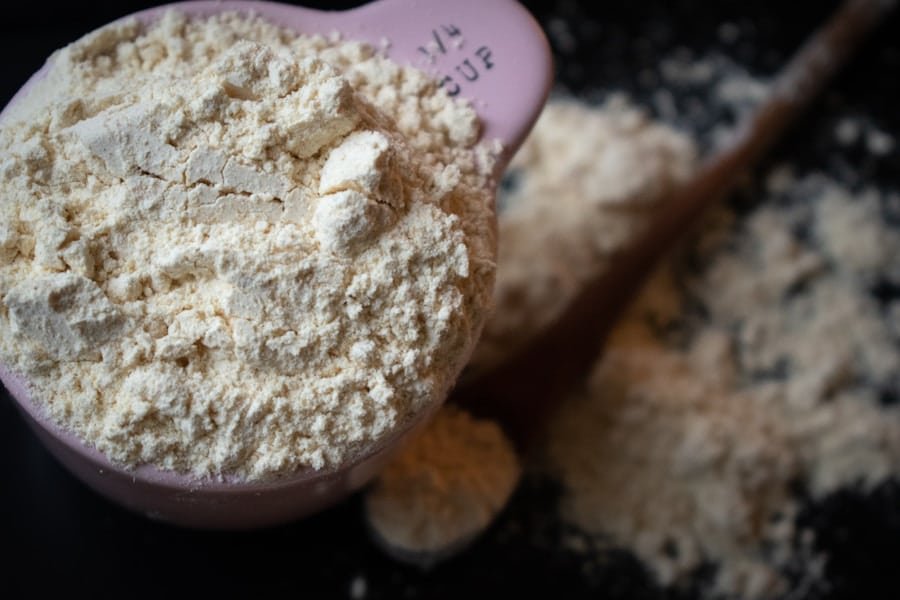
When you think about protein powder, you might envision a fitness enthusiast shaking up a colorful drink after an intense workout. However, protein powder is much more than just a supplement for bodybuilders. It is a concentrated source of protein derived from various sources, including whey, casein, soy, pea, and hemp.
Each type of protein powder has its unique benefits and characteristics, making it essential for you to understand what each offers before incorporating it into your diet. Protein plays a crucial role in your body, serving as the building block for muscles, skin, enzymes, and hormones. When you consume protein powder, you are essentially providing your body with a quick and convenient way to meet its protein needs.
This can be particularly beneficial if you have a busy lifestyle or struggle to get enough protein from whole foods alone. By understanding the different types of protein powders available and their respective benefits, you can make informed choices that align with your health and fitness goals.
Key Takeaways
- Protein powder is a concentrated source of protein derived from various sources such as whey, casein, soy, or pea.
- Protein powder aids in weight loss by promoting satiety, increasing metabolism, and preserving lean muscle mass.
- When choosing protein powder for weight loss, consider factors such as protein content, added sugars, and potential allergens.
- Incorporating protein powder into your weight loss plan can be done through meal replacement shakes, smoothies, or adding it to recipes.
- Protein powder, when combined with exercise, can enhance weight loss by supporting muscle recovery and growth.
How Protein Powder Aids in Weight Loss
One of the primary reasons people turn to protein powder is its potential to aid in weight loss. When you increase your protein intake, you may find that it helps you feel fuller for longer periods. This satiety can lead to reduced overall calorie consumption, making it easier for you to maintain a calorie deficit—a crucial factor in weight loss.
Additionally, protein has a higher thermic effect compared to fats and carbohydrates, meaning your body burns more calories digesting and metabolizing protein. Moreover, incorporating protein powder into your diet can help preserve lean muscle mass while you lose weight. When you’re in a calorie deficit, your body may break down muscle for energy if it doesn’t receive enough protein.
By ensuring adequate protein intake through supplements like protein powder, you can support muscle retention and promote fat loss instead. This dual benefit of feeling full and preserving muscle makes protein powder an appealing option for anyone looking to shed pounds.
Choosing the Right Protein Powder for Weight Loss
With so many options available on the market, selecting the right protein powder for your weight loss journey can feel overwhelming. First, consider your dietary preferences and restrictions. If you’re lactose intolerant or following a vegan diet, plant-based protein powders like pea or hemp may be more suitable for you.
On the other hand, if you have no dietary restrictions, whey protein is often praised for its high biological value and rapid absorption. Next, pay attention to the ingredient list and nutritional profile of the protein powder. Look for products with minimal added sugars and artificial ingredients.
A good protein powder should contain at least 20 grams of protein per serving while being low in calories and carbohydrates. Additionally, consider whether you prefer a protein powder that includes added vitamins and minerals or one that focuses solely on protein content. By taking these factors into account, you can choose a protein powder that aligns with your weight loss goals and personal preferences.
Incorporating Protein Powder into Your Weight Loss Plan
Once you’ve selected the right protein powder for your needs, the next step is to incorporate it into your weight loss plan effectively. One of the simplest ways to do this is by adding it to smoothies or shakes. You can blend it with fruits, vegetables, and healthy fats like nut butter or avocado to create a nutrient-dense meal replacement or snack.
This not only enhances the flavor but also boosts the overall nutritional value of your drink. Another effective method is to use protein powder in cooking and baking. You can add it to oatmeal, pancakes, or even homemade energy bars for an extra protein boost.
This versatility allows you to enjoy your favorite foods while still meeting your protein requirements. Remember that timing can also play a role; consuming protein powder after workouts can help with recovery and muscle repair. By finding creative ways to include protein powder in your meals and snacks, you’ll be more likely to stick to your weight loss plan.
Protein Powder and Exercise for Weight Loss
While protein powder can be a valuable tool in your weight loss arsenal, it’s essential to remember that it works best when combined with regular exercise. Engaging in both cardiovascular and strength training exercises can enhance the effects of protein supplementation on weight loss. Cardio workouts help burn calories and improve cardiovascular health, while strength training builds lean muscle mass, which can increase your resting metabolic rate.
When you consume protein powder after exercising, it aids in muscle recovery and growth. This is particularly important if you’re engaging in resistance training, as it helps repair the micro-tears in your muscles caused by lifting weights. By supporting muscle recovery with adequate protein intake, you can enhance your performance in future workouts and continue progressing toward your weight loss goals.
Therefore, combining a well-structured exercise routine with appropriate protein supplementation can create a powerful synergy for effective weight management.
Potential Risks and Side Effects of Protein Powder

While protein powder can offer numerous benefits, it’s essential to be aware of potential risks and side effects associated with its use. Some individuals may experience digestive issues such as bloating, gas, or diarrhea when consuming certain types of protein powders, particularly those containing lactose or artificial sweeteners. If you notice any adverse reactions after using a specific product, consider switching to a different type or brand that may be easier on your digestive system.
Additionally, excessive protein intake can lead to health concerns over time. Consuming more protein than your body needs may strain your kidneys and lead to dehydration or nutrient imbalances. It’s crucial to balance your diet with whole foods rich in vitamins and minerals while using protein powder as a supplement rather than a primary source of nutrition.
By being mindful of your overall dietary habits and listening to your body’s signals, you can safely incorporate protein powder into your weight loss journey.
Tips for Using Protein Powder for Weight Loss
To maximize the benefits of protein powder in your weight loss efforts, consider implementing some practical tips into your routine. First, establish a consistent schedule for when you’ll consume your protein shakes or meals containing protein powder. Whether it’s post-workout or as a mid-morning snack, having a routine can help ensure you’re meeting your daily protein needs.
Another helpful tip is to pair your protein intake with fiber-rich foods like fruits, vegetables, or whole grains. This combination can enhance satiety and provide essential nutrients that support overall health. For instance, adding spinach or berries to your smoothie not only boosts its nutritional profile but also helps keep you full longer.
Lastly, keep track of your progress by monitoring how incorporating protein powder affects your weight loss journey. You might find it helpful to maintain a food diary or use an app to log your meals and workouts. This practice can help you identify patterns and make adjustments as needed to stay on track toward achieving your goals.
Protein Powder as a Tool for Weight Loss
In conclusion, while protein powder is not a magic solution for weight loss, it can be an effective tool when used correctly within a balanced diet and exercise regimen. By understanding how it aids in weight loss through increased satiety and muscle preservation, you can make informed choices about incorporating it into your lifestyle. Choosing the right type of protein powder that aligns with your dietary preferences is crucial for maximizing its benefits.
As you embark on your weight loss journey, remember that consistency is key. Incorporating protein powder into meals and snacks can help you meet your nutritional needs while supporting your fitness goals. Coupled with regular exercise and mindful eating practices, protein powder can play a significant role in helping you achieve sustainable weight loss results.
Ultimately, by viewing protein powder as one component of a holistic approach to health and wellness, you’ll be better equipped to reach your desired outcomes effectively.
If you are looking to lose fat instead of muscle, you may want to consider incorporating high-quality protein powder into your diet. According to Super Fat Burner, consuming protein powder can help preserve lean muscle mass while promoting fat loss. Additionally, combining protein powder with foods that burn fat and build muscle, as discussed in another article on the site (source), can further enhance your weight loss efforts. To learn more about how to burn fat fast at home, check out the article on Super Fat Burner.
FAQs
What is protein powder?
Protein powder is a dietary supplement that is typically made from whey, casein, soy, or egg proteins. It is commonly used by athletes and fitness enthusiasts to increase protein intake and support muscle growth and recovery.
How does protein powder help with weight loss?
Protein powder can help with weight loss by increasing feelings of fullness and reducing appetite, which can lead to a decrease in overall calorie intake. Additionally, protein requires more energy to digest compared to carbohydrates and fats, which can slightly boost metabolism.
Is protein powder a meal replacement for weight loss?
Protein powder can be used as a meal replacement for weight loss, but it is important to ensure that it is supplemented with other essential nutrients such as vitamins, minerals, and fiber. It is recommended to use protein powder as a part of a balanced and varied diet.
What are the different types of protein powder for weight loss?
The most common types of protein powder for weight loss include whey protein, casein protein, soy protein, and pea protein. Each type has its own unique characteristics and benefits, so it is important to choose the one that best fits individual dietary needs and preferences.
How should protein powder be consumed for weight loss?
Protein powder can be consumed by mixing it with water, milk, or a smoothie. It is important to follow the recommended serving size and to incorporate it into a well-balanced diet and exercise routine for optimal weight loss results.
Are there any potential side effects of using protein powder for weight loss?
When used as directed, protein powder is generally safe for most people. However, consuming excessive amounts of protein powder can lead to digestive issues, kidney problems, and an increased risk of nutrient deficiencies. It is important to use protein powder in moderation and consult with a healthcare professional if there are any concerns.