
Understanding the science behind belly fat is crucial for anyone looking to shed those extra pounds. Visceral fat, the type that accumulates around your abdomen, is not just a cosmetic concern; it poses significant health risks. This fat is metabolically active, releasing hormones and chemicals that can lead to inflammation and insulin resistance.
You may find it surprising that factors such as genetics, age, and hormonal changes can influence where your body stores fat. For instance, as you age, hormonal shifts can lead to an increase in belly fat, making it essential to adopt a proactive approach to your health. Moreover, the accumulation of belly fat can be linked to lifestyle choices.
Poor diet, lack of physical activity, and high-stress levels can all contribute to the problem. When you consume more calories than your body needs, especially from sugary and processed foods, your body tends to store the excess energy as fat. Understanding these underlying mechanisms can empower you to make informed decisions about your lifestyle and health.
By recognizing the factors that contribute to belly fat, you can take actionable steps toward reducing it effectively.
Key Takeaways
- Belly fat is linked to an increased risk of health issues such as heart disease and diabetes.
- HIIT workouts are effective for reducing belly fat due to their ability to increase metabolism and burn calories.
- Strength training helps build muscle, which can increase metabolism and aid in belly fat reduction.
- Cardiovascular exercises such as running and cycling are effective for burning calories and reducing overall body fat, including belly fat.
- A balanced diet that includes plenty of fruits, vegetables, lean proteins, and healthy fats is essential for losing belly fat.
High-Intensity Interval Training (HIIT) Workouts
High-Intensity Interval Training (HIIT) has gained popularity for its efficiency and effectiveness in burning fat, particularly belly fat. This workout method involves short bursts of intense exercise followed by brief recovery periods. You might find that just 20 to 30 minutes of HIIT can yield significant results compared to longer, moderate-intensity workouts.
The beauty of HIIT lies in its ability to elevate your heart rate quickly, leading to increased calorie burn both during and after the workout due to the afterburn effect, known scientifically as excess post-exercise oxygen consumption (EPOC). Incorporating HIIT into your routine can be both fun and challenging. You can mix various exercises such as sprinting, cycling, or bodyweight movements like burpees and jump squats.
The versatility of HIIT means you can tailor your workouts to fit your preferences and fitness level. As you push yourself during those high-intensity intervals, you’ll not only be working on burning belly fat but also improving your cardiovascular fitness and overall endurance. The key is to maintain a consistent schedule while gradually increasing the intensity as your fitness improves.
Strength Training and Muscle Building

While cardio workouts are often highlighted for fat loss, strength training plays a vital role in reducing belly fat as well. When you engage in resistance training, you build muscle mass, which in turn boosts your metabolism. This means that even at rest, your body burns more calories than it would if you had less muscle.
You may not realize it, but incorporating strength training into your routine can significantly enhance your body composition over time. Additionally, strength training helps in targeting stubborn belly fat by promoting hormonal balance. Lifting weights or using resistance bands can stimulate the production of hormones like testosterone and growth hormone, which are essential for fat loss and muscle gain.
You might consider starting with compound movements such as squats, deadlifts, and bench presses that engage multiple muscle groups simultaneously. As you progress, you’ll notice not only a reduction in belly fat but also improved strength and functionality in your daily activities.
Cardiovascular Exercise for Belly Fat Reduction
Cardiovascular exercise is another cornerstone of any effective belly fat reduction strategy. Engaging in activities like running, swimming, or cycling elevates your heart rate and helps burn calories efficiently. You may find that incorporating regular cardio sessions into your weekly routine can create a calorie deficit necessary for weight loss.
The American Heart Association recommends at least 150 minutes of moderate-intensity aerobic activity each week for optimal health benefits. Moreover, the type of cardio you choose can make a difference in how effectively you target belly fat. Steady-state cardio, where you maintain a consistent pace over a longer duration, can be beneficial for endurance and overall fat loss.
However, mixing in some interval training or varying the intensity can keep your workouts exciting and prevent plateaus. As you engage in cardiovascular exercises regularly, you’ll likely notice improvements not only in your waistline but also in your energy levels and mood.
The Role of Diet in Belly Fat Loss
Diet plays a pivotal role in your journey toward losing belly fat. You may have heard the saying, “You can’t out-exercise a bad diet,” and this holds true when it comes to effective weight management. To reduce belly fat, it’s essential to focus on whole foods that nourish your body while keeping calorie intake in check.
Incorporating plenty of fruits, vegetables, lean proteins, and healthy fats into your meals can help create a balanced diet that supports fat loss. Additionally, being mindful of portion sizes and avoiding processed foods high in sugar and unhealthy fats is crucial. These foods can lead to increased cravings and overeating, making it challenging to achieve your goals.
You might also consider keeping a food diary or using apps to track your meals; this practice can help you identify patterns and make healthier choices over time. Remember that sustainable changes are key; rather than opting for restrictive diets that are hard to maintain, focus on creating a lifestyle that promotes long-term health.
Targeted Abdominal Exercises
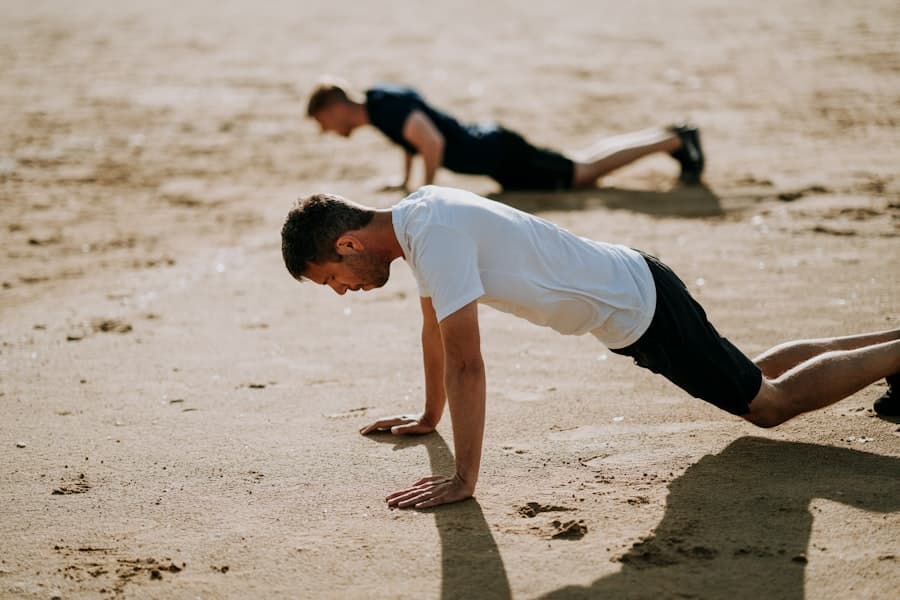
While spot reduction is largely considered a myth, targeted abdominal exercises can still play a role in strengthening your core and improving muscle tone in the area. Incorporating exercises like planks, crunches, and leg raises into your routine can help build the muscles beneath the fat layer. As you strengthen these muscles, you’ll create a more toned appearance as you lose overall body fat through a combination of diet and exercise.
It’s important to remember that while these exercises are beneficial for core strength and stability, they should complement a comprehensive fitness program that includes cardiovascular workouts and strength training. You might find it helpful to incorporate abdominal exercises into your routine two to three times per week while focusing on progressive overload—gradually increasing the difficulty or intensity of the exercises over time. This approach will not only enhance your core strength but also contribute to better posture and functional movement.
Stress Reduction and its Impact on Belly Fat
Stress is often an overlooked factor when it comes to belly fat accumulation. When you’re under stress, your body produces cortisol, a hormone that can lead to increased appetite and cravings for unhealthy foods. You may notice that during stressful periods, you tend to reach for comfort foods high in sugar or fat—this is a common response driven by hormonal changes.
Managing stress effectively is essential for maintaining a healthy weight and reducing belly fat. Incorporating stress-reduction techniques into your daily routine can have profound effects on your overall well-being and body composition. Practices such as mindfulness meditation, yoga, or even simple breathing exercises can help lower cortisol levels and promote relaxation.
You might also consider engaging in hobbies or activities that bring you joy; this can serve as an effective outlet for stress relief. By prioritizing mental health alongside physical health, you’ll create a more balanced approach to achieving your fitness goals.
The Importance of Consistency and Patience
Finally, one of the most critical aspects of losing belly fat is consistency and patience. You may find that results don’t come overnight; instead, they require dedication and commitment over time. Establishing a routine that incorporates various forms of exercise along with healthy eating habits will yield the best results in the long run.
It’s essential to set realistic goals and celebrate small victories along the way; this will keep you motivated on your journey. Remember that everyone’s body responds differently to diet and exercise changes; what works for one person may not work for another. Therefore, it’s important to listen to your body and adjust your approach as needed.
By maintaining a positive mindset and staying committed to your goals, you’ll be well on your way to achieving lasting results in reducing belly fat while improving your overall health and well-being.
If you are looking to burn belly fat quickly, you may want to consider incorporating high-intensity interval training (HIIT) into your workout routine. According to a related article on SuperFatBurner, HIIT workouts are effective at burning fat and can be done in a short amount of time. These workouts involve short bursts of intense exercise followed by brief periods of rest, making them a great option for those looking to maximize their fat-burning potential. Additionally, combining HIIT with strength training exercises can help increase muscle mass and boost metabolism, leading to even greater fat loss results.
FAQs
What are the best exercises for burning belly fat?
Some of the best exercises for burning belly fat include high-intensity interval training (HIIT), strength training, and aerobic exercises like running, cycling, and swimming.
How does high-intensity interval training (HIIT) help in burning belly fat?
HIIT involves short bursts of intense exercise followed by brief periods of rest or lower-intensity exercise. This type of workout can help increase metabolism and burn more calories, including belly fat.
Why is strength training effective for burning belly fat?
Strength training helps build muscle, which can increase the body’s overall calorie-burning ability. This can lead to a reduction in belly fat over time.
What role do aerobic exercises play in burning belly fat?
Aerobic exercises like running, cycling, and swimming can help burn calories and improve overall cardiovascular health, which can contribute to reducing belly fat.
Are there any specific exercises that target belly fat?
While spot reduction is not possible, exercises like planks, crunches, and bicycle crunches can help strengthen the abdominal muscles and contribute to a more toned appearance.
How often should I exercise to burn belly fat?
It is recommended to engage in at least 150 minutes of moderate-intensity aerobic activity or 75 minutes of vigorous-intensity aerobic activity per week, along with muscle-strengthening activities on two or more days a week.
Can exercise alone reduce belly fat?
While exercise is an important component of reducing belly fat, it is also essential to maintain a healthy diet and lifestyle to see significant results.