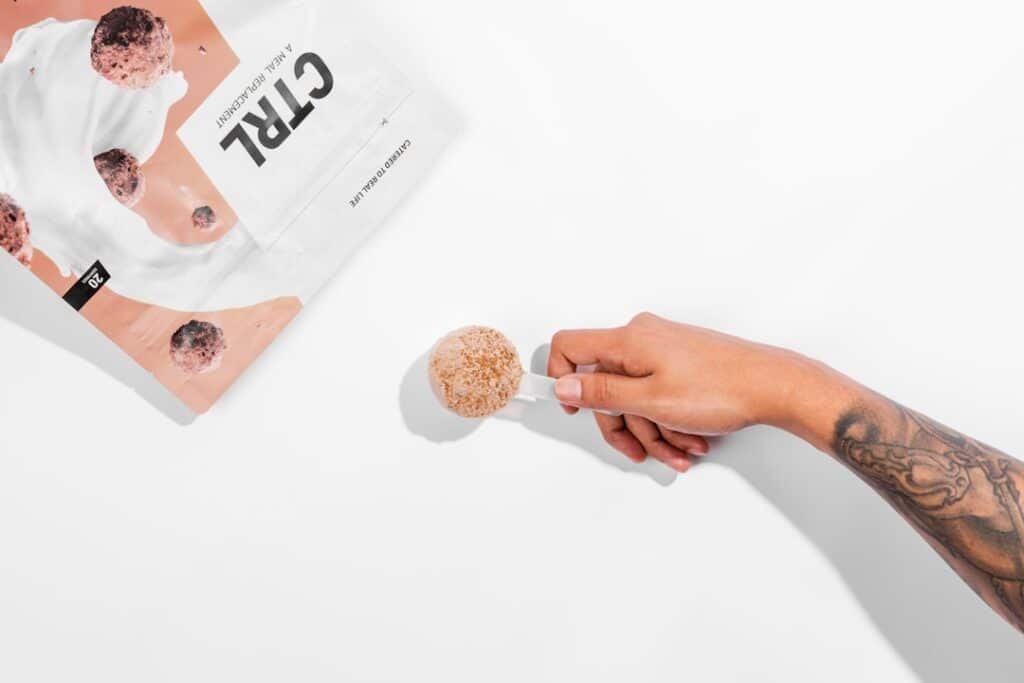
When it comes to achieving your fitness goals, proper nutrition is the cornerstone of both fat burning and muscle building. You need to understand that what you eat directly influences your body’s ability to shed fat and gain muscle. A balanced diet rich in whole foods, including lean proteins, healthy fats, and complex carbohydrates, is essential.
You should focus on incorporating a variety of nutrient-dense foods that provide the vitamins and minerals necessary for optimal performance and recovery. This means filling your plate with colorful fruits and vegetables, whole grains, and high-quality protein sources like chicken, fish, beans, and legumes. Moreover, timing your meals can also play a significant role in your success.
Eating smaller, more frequent meals throughout the day can help maintain your energy levels and keep your metabolism revved up. You might find it beneficial to consume a meal or snack containing protein and carbohydrates within 30 minutes after your workout. This practice not only aids in muscle recovery but also helps replenish glycogen stores, which are crucial for sustained energy during your next workout session.
Remember, the goal is to fuel your body effectively so that it can perform at its best while simultaneously promoting fat loss and muscle growth.
Key Takeaways
- Proper nutrition is essential for both fat burning and muscle building, focusing on a balanced diet with adequate protein, healthy fats, and complex carbohydrates.
- Effective workouts for fat loss and muscle gain include a combination of resistance training and high-intensity interval training (HIIT) to maximize calorie burn and muscle growth.
- Protein plays a crucial role in building and repairing muscles, as well as supporting fat loss by increasing satiety and preserving lean muscle mass.
- Cardio exercises are important for fat burning, but excessive cardio can hinder muscle building, so it’s important to find a balance that supports both goals.
- Strength training is key for fat loss and muscle building, as it boosts metabolism, increases muscle mass, and improves overall body composition.
- Rest and recovery are essential for muscle growth and fat loss, as they allow the body to repair and rebuild muscle tissue and regulate hormones.
- Supplements like protein powder, creatine, and branched-chain amino acids can support fat burning and muscle building when used in conjunction with a balanced diet and exercise routine.
- Lifestyle factors such as adequate sleep, stress management, and hydration are crucial for supporting fat loss and muscle gain, as they impact hormone regulation and overall health.
Effective Workouts for Fat Loss and Muscle Gain
To achieve fat loss and muscle gain, you need to engage in effective workouts that challenge your body in various ways. A well-rounded fitness routine should include a mix of strength training, cardiovascular exercises, and flexibility work. Strength training is particularly important as it helps build lean muscle mass, which in turn increases your resting metabolic rate.
This means that even when you’re not working out, your body will continue to burn calories more efficiently. You should aim to incorporate compound movements like squats, deadlifts, bench presses, and rows into your routine, as these exercises engage multiple muscle groups simultaneously. In addition to strength training, incorporating high-intensity interval training (HIIT) can be a game-changer for fat loss.
HIIT workouts alternate between short bursts of intense activity and periods of rest or lower-intensity exercise. This approach not only maximizes calorie burn during the workout but also elevates your metabolism for hours afterward. You might find that just 20-30 minutes of HIIT can be more effective than longer sessions of steady-state cardio.
By combining these different types of workouts, you can create a balanced program that promotes both fat loss and muscle gain while keeping your routine fresh and engaging.
Importance of Protein in Building Muscle and Burning Fat
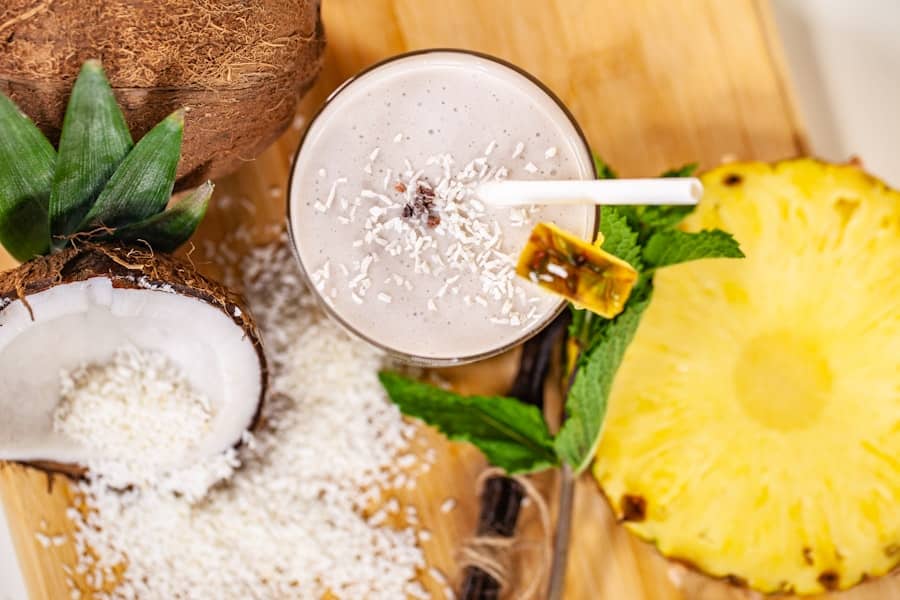
Protein is often hailed as the building block of muscle, and for good reason. When you engage in strength training or any form of resistance exercise, your muscles experience tiny tears that need to be repaired. This is where protein comes into play; it provides the amino acids necessary for muscle repair and growth.
You should aim to include a source of protein in every meal and snack to support your body’s needs. Foods like chicken, turkey, fish, eggs, dairy products, nuts, and legumes are excellent choices that can help you meet your protein requirements. In addition to its role in muscle building, protein can also aid in fat loss.
High-protein diets have been shown to increase feelings of fullness and reduce overall calorie intake. When you consume adequate protein, you may find it easier to resist cravings and stick to your nutrition plan. Furthermore, protein has a higher thermic effect compared to fats and carbohydrates, meaning that your body burns more calories digesting protein-rich foods.
By prioritizing protein in your diet, you can effectively support both muscle growth and fat loss simultaneously.
The Role of Cardio in Fat Burning and Muscle Building
Cardiovascular exercise plays a crucial role in any fitness regimen focused on fat burning and muscle building. While strength training is essential for building muscle mass, cardio helps create the caloric deficit necessary for fat loss. Engaging in regular cardiovascular activities such as running, cycling, swimming, or even brisk walking can help you burn calories and improve your overall cardiovascular health.
You should aim for at least 150 minutes of moderate-intensity cardio each week to reap the benefits. However, it’s important to strike a balance between cardio and strength training. Excessive cardio can lead to muscle loss if not paired with adequate nutrition and strength work.
You might consider incorporating shorter bursts of high-intensity cardio into your routine to maximize fat burning while preserving muscle mass. This approach allows you to enjoy the benefits of cardiovascular exercise without compromising your hard-earned gains from strength training.
The Impact of Strength Training on Fat Loss and Muscle Building
Strength training is arguably one of the most effective methods for achieving both fat loss and muscle building. When you lift weights or perform resistance exercises, you create micro-tears in your muscle fibers that require energy to repair. This process not only builds muscle but also increases your resting metabolic rate, meaning you’ll burn more calories even when you’re not exercising.
You should aim to incorporate strength training into your routine at least two to three times per week, focusing on all major muscle groups. Additionally, strength training can enhance your body composition by reducing body fat percentage while increasing lean muscle mass. As you build more muscle, your body becomes more efficient at burning calories, which can lead to sustainable fat loss over time.
You might find that incorporating progressive overload—gradually increasing the weight or resistance you use—can help you continue making gains while keeping your workouts challenging and effective.
The Importance of Rest and Recovery in Fat Burning and Muscle Building
While it may be tempting to push yourself hard every day in the gym, rest and recovery are just as important as the workouts themselves when it comes to fat burning and muscle building. Your muscles need time to repair and grow after intense exercise sessions; without adequate rest, you risk overtraining, which can lead to fatigue, decreased performance, and even injury. You should prioritize getting enough sleep each night—aiming for 7-9 hours—to support recovery processes.
Incorporating rest days into your workout routine is also essential. These days allow your muscles to recover while giving you a mental break from the intensity of training. Active recovery days—where you engage in low-intensity activities like yoga or light walking—can also be beneficial for promoting blood flow and reducing soreness without putting additional strain on your body.
By respecting the importance of rest and recovery, you’ll set yourself up for long-term success in both fat loss and muscle gain.
Supplements to Support Fat Burning and Muscle Building
While a well-rounded diet should be your primary source of nutrients, certain supplements can support your goals of fat burning and muscle building when used appropriately. Protein powders are among the most popular supplements for those looking to increase their protein intake conveniently. Whether you prefer whey, casein, or plant-based options, protein powders can help you meet your daily requirements without excessive calorie consumption.
Other supplements worth considering include branched-chain amino acids (BCAAs), which may aid in muscle recovery and reduce soreness after workouts. Creatine is another well-researched supplement that can enhance strength performance and promote muscle growth when combined with resistance training. However, it’s essential to consult with a healthcare professional before starting any new supplement regimen to ensure it aligns with your individual needs and goals.
Lifestyle Factors that Support Fat Loss and Muscle Gain
Beyond nutrition and exercise, several lifestyle factors can significantly impact your ability to lose fat and gain muscle effectively. Stress management is one such factor; chronic stress can lead to hormonal imbalances that may hinder fat loss efforts while promoting muscle breakdown. You should consider incorporating stress-reducing practices such as mindfulness meditation, deep breathing exercises, or engaging in hobbies that bring you joy.
Additionally, staying hydrated is crucial for optimal performance during workouts and overall health. Water plays a vital role in digestion, nutrient absorption, and temperature regulation; therefore, ensuring you drink enough fluids throughout the day can support both fat burning and muscle building efforts. By addressing these lifestyle factors alongside your nutrition and exercise regimen, you’ll create a holistic approach that maximizes your chances of success in achieving your fitness goals.
If you’re looking to burn fat and build muscle, you may also be interested in learning about how to burn fat while you sleep. This article discusses the benefits of using supplements to aid in fat burning during rest. Additionally, understanding peripheral artery disease (PAD) can be crucial for those looking to improve their overall health and fitness. Check out this article to learn more about PAD and its impact on your workout routine. And for those looking to see quick results, this article provides tips on how to burn fat fast overnight.
FAQs
What are some effective ways to burn fat and build muscle?
Some effective ways to burn fat and build muscle include strength training exercises, high-intensity interval training (HIIT), consuming a balanced diet with adequate protein, and getting enough rest and recovery.
How does strength training help in burning fat and building muscle?
Strength training helps in burning fat and building muscle by increasing muscle mass, which in turn boosts metabolism and helps the body burn more calories. It also helps in improving overall body composition and increasing strength.
What role does diet play in burning fat and building muscle?
Diet plays a crucial role in burning fat and building muscle. Consuming a balanced diet with adequate protein, healthy fats, and complex carbohydrates provides the necessary nutrients for muscle growth and repair, while also supporting fat loss.
Is it important to get enough rest and recovery when trying to burn fat and build muscle?
Yes, getting enough rest and recovery is important when trying to burn fat and build muscle. Rest allows the body to repair and grow muscle tissue, while also preventing overtraining and reducing the risk of injury.
How does high-intensity interval training (HIIT) help in burning fat and building muscle?
HIIT helps in burning fat and building muscle by increasing the body’s calorie burn both during and after the workout. It also helps in improving cardiovascular fitness and increasing muscle endurance.