
When you embark on a fitness journey, the significance of a well-structured workout routine cannot be overstated. A good workout routine serves as the foundation for achieving your fitness goals, whether they involve building muscle, losing fat, or enhancing overall health. It provides you with a clear roadmap, guiding you through the myriad of exercises and techniques available.
Without a plan, you may find yourself wandering aimlessly in the gym, unsure of what to do next or how to measure your progress. A well-thought-out routine not only maximizes your time but also ensures that you are targeting all the necessary muscle groups and energy systems. Moreover, a good workout routine fosters consistency, which is crucial for long-term success.
When you have a structured plan in place, it becomes easier to commit to your fitness journey. You can schedule your workouts around your daily life, making it more likely that you will stick to your regimen. This consistency leads to better results over time, as your body adapts to the demands you place on it.
Additionally, having a routine can help you stay motivated; seeing progress in your strength, endurance, or body composition can be incredibly rewarding and encourage you to push further.
Key Takeaways
- A good workout routine is essential for achieving fitness goals and maintaining overall health and well-being.
- Resistance training plays a crucial role in building muscle and losing fat, as it helps increase metabolism and improve body composition.
- Cardiovascular exercise is important for fat loss, as it helps burn calories and improve heart health.
- A balanced workout routine should include a combination of resistance training and cardiovascular exercise to effectively build muscle and lose fat.
- Proper nutrition is key to supporting and maximizing the benefits of a workout routine, as it provides the necessary fuel and nutrients for muscle recovery and growth.
- Rest and recovery are essential for allowing the body to repair and adapt to the demands of a workout routine, preventing injury and promoting overall performance.
- Monitoring progress and making adjustments to a workout routine is important for continued improvement and avoiding plateaus.
- Seeking professional guidance from a fitness trainer or nutritionist can help in designing an effective and personalized workout routine for individual goals and needs.
The Role of Resistance Training in Building Muscle and Losing Fat
How Resistance Training Works
Engaging in resistance exercises, such as weightlifting, bodyweight exercises, or resistance band workouts, stimulates muscle growth by creating micro-tears in muscle fibers. As these fibers repair themselves, they become stronger and larger, leading to increased muscle mass.
Boosting Metabolism and Fat Loss
This process not only enhances one’s physique but also boosts metabolism, allowing the body to burn more calories even at rest. Incorporating resistance training into one’s routine plays a vital role in fat loss. When muscle is built, the body requires more energy to maintain that muscle mass, which means more calories are burned throughout the day.
Additional Benefits and Long-term Success
This increased metabolic rate can help create the calorie deficit necessary for fat loss. Furthermore, resistance training can improve insulin sensitivity and glucose metabolism, which are essential for maintaining healthy body composition. By prioritizing resistance training in one’s workout routine, one sets themselves up for success in both muscle building and fat loss.
Incorporating Cardiovascular Exercise for Fat Loss

While resistance training is essential for building muscle, cardiovascular exercise is equally important when it comes to fat loss. Cardiovascular workouts—such as running, cycling, swimming, or even brisk walking—elevate your heart rate and increase calorie expenditure during and after the activity. This type of exercise helps create the calorie deficit needed for weight loss while also improving cardiovascular health and endurance.
Incorporating cardiovascular exercise into your routine can take many forms. You might choose steady-state cardio, where you maintain a consistent pace for an extended period, or high-intensity interval training (HIIT), which alternates between short bursts of intense activity and periods of rest or lower intensity. Both methods have their benefits; steady-state cardio is excellent for building endurance and burning fat over longer durations, while HIIT can be more time-efficient and effective for boosting metabolism post-workout.
By finding a balance between these two forms of cardio, you can enhance your fat loss efforts while keeping your workouts engaging and varied.
Designing a Balanced Workout Routine for Muscle Building and Fat Loss
Creating a balanced workout routine that effectively combines resistance training and cardiovascular exercise is key to achieving your fitness goals. Start by determining how many days per week you can realistically commit to working out. A common approach is to aim for at least three to five days of exercise each week, incorporating both strength training and cardio sessions.
When designing your routine, consider splitting your workouts into different muscle groups or focusing on full-body sessions. For instance, you might dedicate certain days to upper body strength training while reserving others for lower body workouts or full-body circuits. Additionally, ensure that you include a variety of exercises targeting different muscle groups to promote balanced development and prevent overuse injuries.
On cardio days, mix in different types of cardiovascular activities to keep things fresh and enjoyable. By thoughtfully structuring your workouts, you can create a balanced routine that supports both muscle building and fat loss.
The Importance of Nutrition in Supporting Your Workout Routine
Nutrition plays an indispensable role in supporting your workout routine and achieving your fitness goals. The food you consume provides the fuel necessary for energy during workouts and the nutrients required for recovery and muscle growth afterward. To maximize the benefits of your exercise regimen, focus on consuming a balanced diet rich in whole foods—such as lean proteins, whole grains, healthy fats, fruits, and vegetables.
Pay attention to your macronutrient ratios as well; protein is particularly important for muscle repair and growth, while carbohydrates provide the energy needed for intense workouts. Healthy fats are essential for hormone production and overall health. Depending on your specific goals—whether it’s building muscle or losing fat—you may need to adjust your caloric intake accordingly.
Tracking your food intake can help ensure you’re meeting your nutritional needs while supporting your workout routine effectively.
Rest and Recovery: Essential Components of a Successful Workout Routine
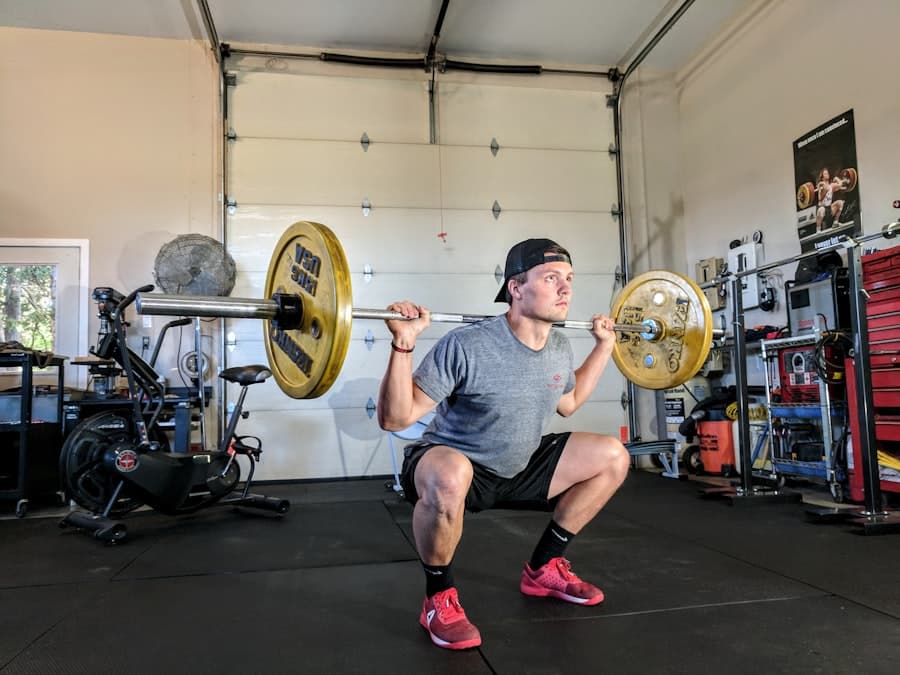
Rest and recovery are often overlooked aspects of a successful workout routine but are crucial for long-term progress. When you engage in resistance training or intense cardiovascular workouts, you’re putting stress on your muscles and body systems. Allowing adequate time for recovery enables your muscles to repair and grow stronger while reducing the risk of injury or burnout.
Incorporating rest days into your weekly schedule is essential; these are days when you allow your body to recuperate from the demands of exercise. Active recovery days—where you engage in low-intensity activities like walking or yoga—can also be beneficial for promoting blood flow and reducing soreness without placing additional strain on your body. Additionally, prioritize sleep as part of your recovery strategy; quality sleep is vital for muscle repair, hormone regulation, and overall well-being.
By valuing rest and recovery as integral components of your workout routine, you’ll set yourself up for sustainable success.
Monitoring Progress and Making Adjustments to Your Workout Routine
To ensure that you’re on track toward achieving your fitness goals, it’s important to monitor your progress regularly. This can involve tracking various metrics such as weight lifted, repetitions completed, body measurements, or even how you feel during workouts. Keeping a workout journal or using fitness apps can help you stay organized and motivated as you document your journey.
As you monitor your progress, be open to making adjustments to your workout routine as needed. If you’re not seeing the results you desire or if you’re feeling fatigued or unmotivated, it may be time to reassess your approach. This could involve changing up exercises, increasing intensity or volume, or even adjusting your nutrition plan.
Remember that fitness is not a one-size-fits-all journey; what works for one person may not work for another. By staying attuned to your body’s needs and being willing to adapt your routine accordingly, you’ll be better equipped to achieve lasting results.
Seeking Professional Guidance for an Effective Workout Routine
While self-guided workouts can be effective, seeking professional guidance can take your fitness journey to the next level. Personal trainers or fitness coaches possess the expertise to help you design a tailored workout routine that aligns with your specific goals and needs. They can provide valuable insights into proper form and technique, ensuring that you’re performing exercises safely and effectively.
Additionally, working with a professional can offer accountability and motivation that may be difficult to achieve on your own. They can help keep you focused on your goals while providing encouragement during challenging moments. Whether you’re new to fitness or looking to break through plateaus in your progress, enlisting the help of a qualified trainer can provide the support necessary for an effective workout routine that yields results.
In conclusion, understanding the importance of a good workout routine is essential for anyone looking to improve their fitness levels. By incorporating resistance training and cardiovascular exercise while paying attention to nutrition and recovery, you can create a balanced approach that supports both muscle building and fat loss. Monitoring progress and seeking professional guidance can further enhance your journey toward achieving lasting results in health and fitness.
If you’re looking to build muscle and lose fat, you may also be interested in learning about the best fat burn pills available on the market. Check out this article to discover how fat burn pills can help you achieve your fitness goals.
FAQs
What is the best workout routine to build muscle and lose fat?
The best workout routine to build muscle and lose fat typically includes a combination of strength training and cardiovascular exercise. This can include weightlifting, bodyweight exercises, and high-intensity interval training (HIIT).
How often should I work out to build muscle and lose fat?
For optimal results, it is recommended to engage in strength training exercises at least 2-3 times per week, and incorporate cardiovascular exercise 3-5 times per week. It’s important to allow for rest days to allow the muscles to recover and grow.
What are some effective exercises for building muscle and losing fat?
Effective exercises for building muscle and losing fat include compound movements such as squats, deadlifts, bench presses, and pull-ups. Additionally, incorporating HIIT workouts and plyometric exercises can help to increase muscle mass and burn fat.
Should I focus on specific muscle groups when working out?
It’s important to have a well-rounded workout routine that targets all major muscle groups, including the legs, back, chest, shoulders, arms, and core. This helps to ensure overall muscle development and balance in the body.
How important is nutrition when trying to build muscle and lose fat?
Nutrition plays a crucial role in building muscle and losing fat. It’s important to consume an adequate amount of protein to support muscle growth, as well as healthy fats, complex carbohydrates, and a variety of vitamins and minerals. Additionally, maintaining a caloric deficit can help with fat loss while ensuring enough nutrients to support muscle growth.
Is it necessary to incorporate rest days into my workout routine?
Yes, rest days are essential for muscle recovery and growth. Overtraining can lead to injury and hinder progress. It’s important to allow the muscles to rest and repair in between workouts.