When embarking on a journey toward fat loss and muscle building, it’s essential to grasp the fundamental principles that govern these processes. At its core, fat loss occurs when you create a caloric deficit, meaning you consume fewer calories than your body expends. This deficit forces your body to tap into its fat reserves for energy, leading to weight loss over time.
On the other hand, muscle building, or hypertrophy, requires a caloric surplus combined with resistance training. This means you need to consume more calories than you burn to provide your body with the necessary nutrients to repair and grow muscle fibers after workouts. Understanding the balance between these two goals is crucial.
You might find yourself in a situation where you want to lose fat while simultaneously building muscle. This can be challenging, as the two processes often require opposing caloric states. However, with the right approach, it is possible to achieve both.
Focusing on nutrient-dense foods, maintaining a consistent workout routine, and ensuring adequate protein intake can help you navigate this complex landscape. By educating yourself on these basics, you set a solid foundation for your fitness journey.
Key Takeaways
- Understanding the basics of fat loss and muscle building is essential for achieving your fitness goals.
- Creating a well-balanced nutrition plan is crucial for fueling your body and supporting muscle growth.
- Incorporating resistance training into your workout routine is key for building lean muscle mass.
- Implementing high-intensity interval training (HIIT) can be effective for fat burning and improving cardiovascular health.
- Prioritizing rest and recovery is important for optimal muscle growth and overall well-being.
Creating a well-balanced nutrition plan
Caloric Intake and Macronutrients
If fat loss is your primary goal, aim for a moderate caloric deficit; if muscle gain is your focus, create a slight surplus. Regardless of your goal, prioritize whole foods that are rich in nutrients, such as lean proteins, whole grains, healthy fats, fruits, and vegetables.
Micronutrients and Hydration
In addition to macronutrients—proteins, carbohydrates, and fats—micronutrients play a significant role in overall health and performance. Vitamins and minerals support various bodily functions, including energy production and muscle recovery. Incorporating a variety of colorful fruits and vegetables into your meals ensures that you receive a broad spectrum of these essential nutrients.
Staying Hydrated for Optimal Performance
Furthermore, staying hydrated is often overlooked but is crucial for optimal performance and recovery. Aim to drink plenty of water throughout the day, especially before and after workouts.
Incorporating resistance training into your workout routine
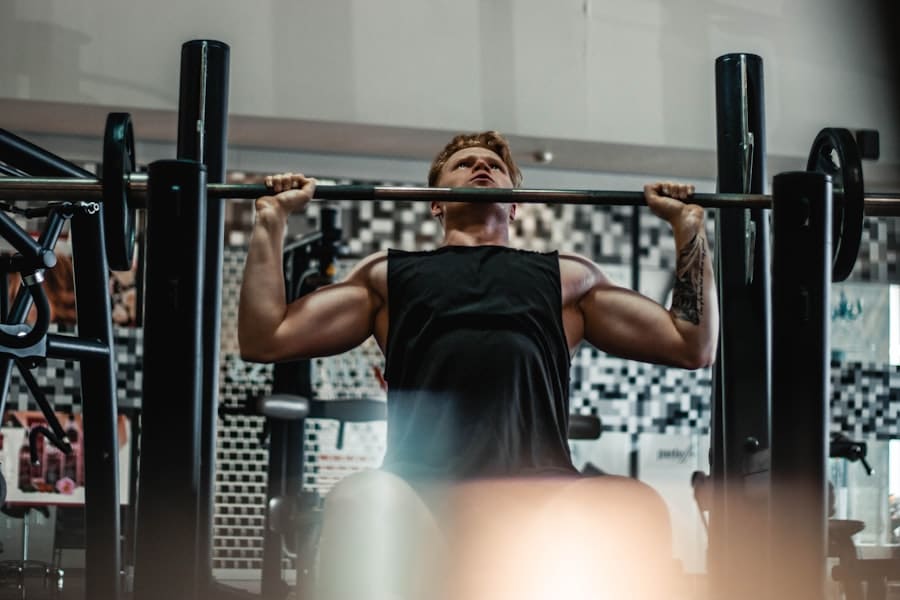
Resistance training is a cornerstone of any effective fat loss and muscle-building program. By engaging in exercises that challenge your muscles, you stimulate growth and increase your metabolic rate. This means that even at rest, your body will burn more calories as it works to repair and build muscle tissue.
To get started, consider incorporating a mix of compound movements—such as squats, deadlifts, bench presses, and rows—into your routine. These exercises engage multiple muscle groups simultaneously, making them efficient for building strength and mass. As you progress in your training, it’s essential to vary your workouts to prevent plateaus and keep things interesting.
You can achieve this by adjusting the weight you lift, changing the number of repetitions and sets, or trying new exercises altogether. Additionally, consider incorporating different training styles such as supersets or circuit training to challenge your body in new ways. Remember that consistency is key; aim for at least two to three resistance training sessions per week to see significant results over time.
Implementing high-intensity interval training (HIIT) for fat burning
High-intensity interval training (HIIT) has gained popularity in recent years for its effectiveness in burning fat while saving time. This training method involves alternating between short bursts of intense exercise and periods of rest or lower-intensity activity. The beauty of HIIT lies in its versatility; you can perform it with various exercises such as sprinting, cycling, or bodyweight movements like burpees and jump squats.
Not only does HIIT elevate your heart rate during the workout, but it also leads to an increased metabolic rate post-exercise—a phenomenon known as excess post-exercise oxygen consumption (EPOC). To incorporate HIIT into your routine, start with shorter intervals—perhaps 20 seconds of intense effort followed by 40 seconds of rest—and gradually increase the intensity or duration as you become more comfortable. Aim for two to three HIIT sessions per week alongside your resistance training program.
This combination will help you maximize fat loss while preserving lean muscle mass. As with any workout regimen, listen to your body and adjust the intensity based on your fitness level to avoid injury.
Prioritizing rest and recovery for optimal muscle growth
While it may be tempting to push yourself relentlessly in the gym, prioritizing rest and recovery is equally important for achieving your fitness goals. When you engage in resistance training or intense workouts, you create micro-tears in your muscle fibers. It’s during the recovery phase that these fibers repair and grow stronger.
Without adequate rest, you risk overtraining, which can lead to fatigue, decreased performance, and even injury. To optimize recovery, ensure you’re getting enough sleep each night—aim for seven to nine hours—to allow your body to repair itself fully. Additionally, consider incorporating active recovery days into your routine where you engage in low-intensity activities like walking or yoga.
These activities promote blood flow to the muscles without placing additional strain on them. Nutrition also plays a critical role in recovery; consuming protein-rich foods post-workout can help facilitate muscle repair and growth.
Tracking progress and adjusting your plan as needed

Identifying Areas for Improvement
By regularly tracking your progress, you’ll be able to identify areas that need adjustment. For instance, if you notice that you’re not losing fat despite following your plan diligently, it may be time to reassess your caloric intake or increase the intensity of your workouts.
Celebrating Small Victories
Regularly evaluating your progress also allows you to celebrate small victories along the way—whether it’s lifting heavier weights or fitting into clothes that were once too tight. These milestones can boost your motivation and keep you focused on the bigger picture.
Embracing Flexibility and Patience
Remember that progress isn’t always linear; there will be ups and downs along the way. Be patient with yourself and remain flexible in adjusting your plan as needed to continue moving forward.
Managing stress and its impact on fat loss and muscle building
Stress can significantly impact both fat loss and muscle-building efforts. When you experience stress, your body releases cortisol—a hormone that can lead to increased appetite and cravings for unhealthy foods. Additionally, chronic stress can hinder recovery by affecting sleep quality and overall well-being.
Therefore, managing stress effectively is crucial for maintaining a healthy lifestyle. Incorporate stress-reducing practices into your daily routine to combat these effects. Mindfulness techniques such as meditation or deep breathing exercises can help calm your mind and reduce anxiety levels.
Engaging in regular physical activity is another excellent way to alleviate stress; exercise releases endorphins that promote feelings of happiness and relaxation. Furthermore, consider setting aside time for hobbies or activities that bring you joy—whether it’s reading, painting, or spending time with loved ones—to create a balanced lifestyle that supports both mental and physical health.
Seeking professional guidance and support for personalized advice
While self-education is valuable on your fitness journey, seeking professional guidance can provide personalized advice tailored to your unique needs and goals. A certified personal trainer or nutritionist can assess your current fitness level and dietary habits while helping you develop a customized plan that aligns with your objectives. They can also offer accountability and motivation—two critical components for long-term success.
Don’t hesitate to reach out for support when needed; whether it’s joining a fitness class or finding an online community of like-minded individuals, surrounding yourself with others who share similar goals can enhance your experience. Remember that everyone’s journey is different; what works for one person may not work for another. By seeking professional guidance and support, you empower yourself with the knowledge and resources necessary to navigate the complexities of fat loss and muscle building effectively.
In conclusion, embarking on a journey toward fat loss and muscle building requires a multifaceted approach that encompasses understanding the basics of nutrition and exercise while prioritizing rest and recovery. By creating a well-balanced nutrition plan, incorporating resistance training and HIIT into your routine, managing stress effectively, tracking progress diligently, and seeking professional guidance when necessary, you set yourself up for success in achieving your fitness goals. Remember that consistency is key; stay committed to your plan while remaining flexible enough to adapt as needed along the way.
If you are looking to lose fat and build muscle simultaneously, you may want to consider incorporating a fat burner and appetite suppressant into your routine. These supplements can help boost your metabolism and curb cravings, making it easier to stick to a healthy diet and reach your fitness goals. For more information on fat burners and appetite suppressants, check out this article on superfatburner.net. Additionally, proper meal planning and prepping can also play a crucial role in achieving your desired physique. To learn more about the importance of meal planning and prepping, be sure to read this article on superfatburner.net.
FAQs
What is the process of losing fat and building muscle simultaneously?
The process of losing fat and building muscle simultaneously, also known as body recomposition, involves a combination of resistance training, cardiovascular exercise, and a balanced diet. This process requires a caloric deficit to lose fat and sufficient protein intake to support muscle growth.
Is it possible to lose fat and build muscle at the same time?
Yes, it is possible to lose fat and build muscle at the same time through a well-designed exercise program and nutrition plan. This process is known as body recomposition and requires a strategic approach to training and diet.
What are the key components of a workout routine for losing fat and building muscle?
The key components of a workout routine for losing fat and building muscle include resistance training to stimulate muscle growth, cardiovascular exercise to support fat loss, and adequate rest and recovery to allow the body to repair and grow.
How important is nutrition in the process of losing fat and building muscle?
Nutrition plays a crucial role in the process of losing fat and building muscle. A balanced diet that includes sufficient protein, healthy fats, and complex carbohydrates is essential for supporting muscle growth and providing the energy needed for workouts.
What are some effective dietary strategies for losing fat and building muscle?
Effective dietary strategies for losing fat and building muscle include consuming a moderate caloric deficit to support fat loss, prioritizing protein intake to support muscle growth, and incorporating nutrient-dense foods such as fruits, vegetables, and whole grains.
How long does it take to see results when trying to lose fat and build muscle simultaneously?
The timeline for seeing results when trying to lose fat and build muscle simultaneously varies for each individual. Generally, noticeable changes in body composition can be seen within a few weeks to a few months, depending on factors such as starting point, consistency, and adherence to the program.