Intermittent fasting (IF) has gained significant popularity in recent years as a method for weight management and overall health improvement. At its core, intermittent fasting is not about what you eat but rather when you eat. You may find yourself alternating between periods of eating and fasting, which can range from a few hours to several days.
This approach allows your body to enter a state of fasting, where it shifts from using glucose as its primary energy source to utilizing stored fat. By understanding the principles behind intermittent fasting, you can better appreciate how it can be integrated into your lifestyle for effective fat burning. As you embark on your intermittent fasting journey, it’s essential to recognize that this method is not a one-size-fits-all solution.
Different people may respond differently to fasting protocols, and what works for one individual may not work for another. You might choose from various fasting schedules, such as the 16/8 method, where you fast for 16 hours and eat during an 8-hour window, or the 5:2 approach, which involves eating normally for five days and significantly reducing calorie intake on two non-consecutive days. Understanding these options will empower you to select a fasting plan that aligns with your lifestyle and goals.
Key Takeaways
- Intermittent fasting involves cycling between periods of eating and fasting, with various methods such as the 16/8 method or the 5:2 method.
- Intermittent fasting can increase fat burning by promoting the production of norepinephrine, a hormone that helps break down fat cells for energy.
- Best practices for fat burning in intermittent fasting include staying hydrated, getting enough sleep, and managing stress levels.
- Foods to eat for fat burning in intermittent fasting include lean proteins, healthy fats, and high-fiber fruits and vegetables, while foods to avoid include processed and sugary foods.
- Exercise can enhance fat burning during intermittent fasting, with a focus on both cardiovascular and strength training exercises.
How Intermittent Fasting Affects Fat Burning
When you engage in intermittent fasting, your body undergoes several metabolic changes that promote fat burning. During the fasting period, insulin levels drop significantly, which facilitates fat breakdown and encourages your body to utilize stored fat as energy. This process is known as lipolysis, where fatty acids are released into the bloodstream and converted into energy.
As you continue with intermittent fasting, your body becomes more efficient at burning fat, leading to potential weight loss and improved body composition. Moreover, intermittent fasting can enhance the production of norepinephrine, a hormone that boosts metabolism and increases fat oxidation. This hormonal response can lead to a more significant caloric deficit, making it easier for you to shed unwanted pounds.
Additionally, research suggests that intermittent fasting may improve insulin sensitivity, which is crucial for maintaining healthy blood sugar levels and preventing weight gain. By understanding these physiological changes, you can appreciate how intermittent fasting can be a powerful tool in your fat-burning arsenal.
Best Practices for Fat Burning in Intermittent Fasting
To maximize fat burning during intermittent fasting, it’s essential to adopt certain best practices that can enhance your results. First and foremost, staying hydrated is crucial. Water not only helps curb hunger but also supports metabolic processes in your body.
You should aim to drink plenty of water throughout the day, especially during fasting periods. Herbal teas and black coffee can also be beneficial, as they are low in calories and can help suppress appetite while providing a boost of energy. Another best practice is to focus on nutrient-dense foods during your eating windows.
Prioritizing whole foods such as lean proteins, healthy fats, and plenty of fruits and vegetables will provide your body with the essential nutrients it needs while keeping you satiated. Avoiding processed foods high in sugar and unhealthy fats will help you maintain stable energy levels and prevent cravings that could derail your fasting efforts. By being mindful of what you consume during your eating periods, you can create an environment conducive to fat burning.
Foods to Eat and Avoid for Fat Burning in Intermittent Fasting
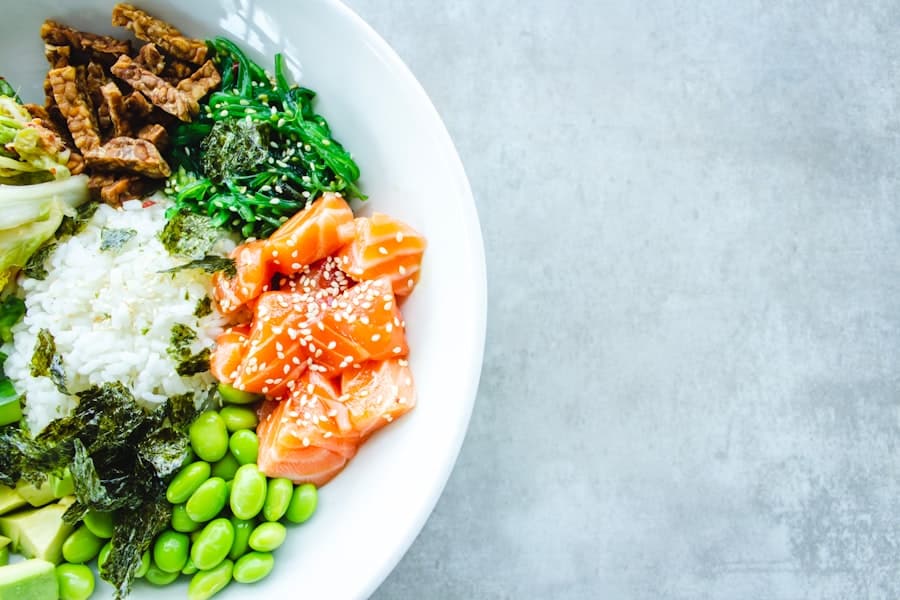
When it comes to intermittent fasting, the foods you choose to eat can significantly impact your fat-burning potential. You should focus on incorporating whole, unprocessed foods into your diet. Lean proteins such as chicken, turkey, fish, and plant-based sources like legumes and tofu are excellent choices that can help preserve muscle mass while promoting fat loss.
Healthy fats from sources like avocados, nuts, seeds, and olive oil can also keep you feeling full longer and provide essential fatty acids that support overall health. On the other hand, there are certain foods you should avoid during your eating windows if your goal is to maximize fat burning. Highly processed foods that are rich in added sugars and unhealthy fats can lead to spikes in insulin levels and increased cravings.
Foods like sugary snacks, white bread, and fast food should be limited or eliminated from your diet. Instead of reaching for these items, opt for whole grains like quinoa or brown rice that provide sustained energy without causing drastic fluctuations in blood sugar levels.
Exercise and Fat Burning in Intermittent Fasting
Incorporating exercise into your routine while practicing intermittent fasting can further enhance your fat-burning efforts. Engaging in physical activity during your fasting window may seem daunting at first; however, many individuals find that they have increased energy levels during this time. Low-intensity workouts such as walking or yoga can be particularly effective during fasting periods, as they allow your body to tap into its fat stores for energy without causing excessive fatigue.
If you prefer higher-intensity workouts, consider timing them strategically around your eating windows. For instance, scheduling strength training or high-intensity interval training (HIIT) shortly before breaking your fast can optimize fat burning. After exercising, when you consume nutrient-dense foods, your body will be primed to replenish glycogen stores and repair muscle tissue effectively.
By aligning your exercise routine with your intermittent fasting schedule, you can create a synergistic effect that maximizes fat loss while maintaining muscle mass.
Potential Pitfalls and Challenges in Fat Burning with Intermittent Fasting
Overeating During Eating Windows
One common issue is the tendency to overeat during eating windows due to feelings of deprivation experienced during fasting periods. You might find yourself indulging in high-calorie foods or larger portions than necessary, which can counteract the benefits of fasting.
Mindful Eating and Portion Control
To avoid this pitfall, practice mindful eating by paying attention to hunger cues and focusing on portion control. This will help you make healthier choices and maintain a balanced diet.
Social Challenges and Flexibility
Another challenge is the social aspect of eating. You may find it difficult to adhere to your fasting schedule when attending social gatherings or dining out with friends and family. It’s important to plan ahead in these situations by communicating your dietary preferences or adjusting your eating window accordingly. Remember that flexibility is key; if you occasionally deviate from your schedule, it’s not the end of the world. The goal is to create sustainable habits that support your long-term health and wellness.
Supplements and Fat Burning in Intermittent Fasting
While a well-balanced diet should be your primary source of nutrients during intermittent fasting, some individuals may consider incorporating supplements to support their fat-burning goals. Certain supplements like green tea extract or caffeine have been shown to enhance metabolism and promote fat oxidation. However, it’s crucial to approach supplementation with caution; not all products are created equal, and some may contain additives or fillers that could hinder your progress.
Before adding any supplements to your routine, consult with a healthcare professional or a registered dietitian who can provide personalized recommendations based on your individual needs and goals. They can help you determine whether supplementation is necessary or if you can achieve optimal results through dietary adjustments alone. Remember that supplements should complement a healthy lifestyle rather than replace it.
Tracking Progress and Adjusting Intermittent Fasting for Optimal Fat Burning
To ensure that you’re on track with your fat-burning goals through intermittent fasting, tracking your progress is essential. Keeping a journal or using apps designed for tracking food intake and exercise can provide valuable insights into what works best for you. You might want to monitor factors such as weight changes, energy levels, and how you feel during fasting periods.
This information will help you identify patterns and make informed adjustments as needed. As you progress on your intermittent fasting journey, be open to adjusting your approach based on what you learn about yourself. If you find that a particular fasting schedule isn’t yielding the desired results or if you’re experiencing excessive hunger or fatigue, consider experimenting with different methods or modifying your eating window.
The key is to remain flexible and patient; sustainable fat loss takes time and consistency. By actively engaging in self-reflection and making necessary adjustments along the way, you’ll be better equipped to achieve optimal results through intermittent fasting while promoting overall health and well-being.
Intermittent fasting has been gaining popularity as a method for weight loss and fat burning. One related article that provides valuable information on the best exercises to burn fat is What Are the Best Exercises to Burn Fat?. This article discusses various exercises that can help maximize fat burning during intermittent fasting. Additionally, for those looking for a tasty and convenient way to boost their fat burning efforts, Fat Burner Gummies may be a great option. Another interesting read is Burn Fat and Build Muscle at the Same Time, which explores how to achieve both fat loss and muscle gain simultaneously through proper nutrition and exercise.
FAQs
What is intermittent fasting?
Intermittent fasting is an eating pattern that cycles between periods of fasting and eating. It does not specify which foods to eat, but rather when you should eat them.
How does intermittent fasting help with fat burning?
Intermittent fasting can help with fat burning by increasing the body’s ability to use stored fat for energy. During the fasting period, insulin levels drop, which allows the body to access fat stores for fuel.
What are the different methods of intermittent fasting?
There are several popular methods of intermittent fasting, including the 16/8 method (fasting for 16 hours and eating within an 8-hour window), the 5:2 method (eating normally for 5 days and restricting calorie intake for 2 days), and the alternate day fasting method (fasting every other day).
Is intermittent fasting safe for everyone?
Intermittent fasting may not be suitable for everyone, especially those with certain medical conditions, pregnant or breastfeeding women, and individuals with a history of eating disorders. It is important to consult with a healthcare professional before starting an intermittent fasting regimen.
What are some tips for fat burning in intermittent fasting?
Some tips for fat burning in intermittent fasting include staying hydrated, consuming nutrient-dense foods during eating windows, incorporating regular physical activity, and getting enough sleep to support overall health and weight management.