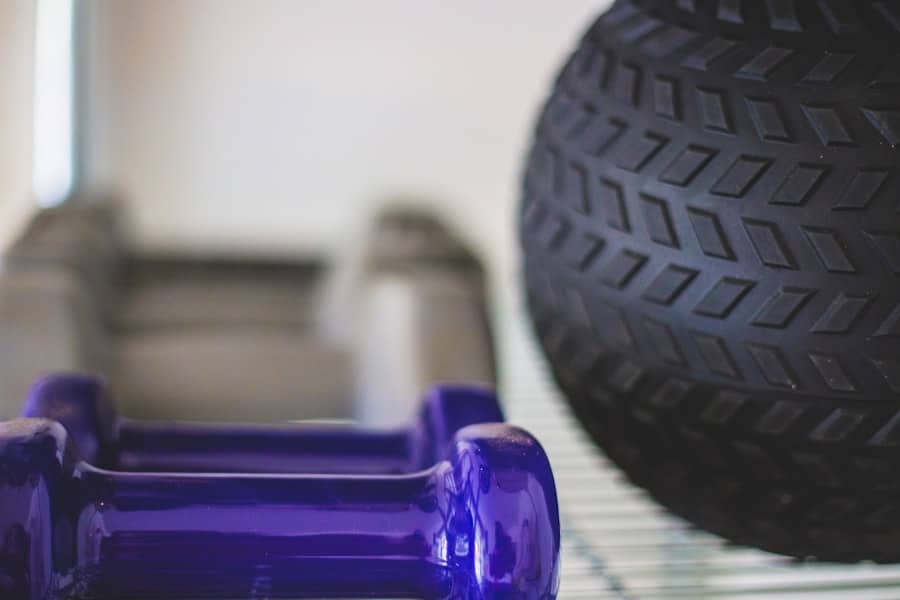
When it comes to building muscle, resistance training is your best ally. Engaging in exercises that challenge your muscles, such as weightlifting or bodyweight workouts, stimulates muscle fibers to grow and adapt. This process, known as hypertrophy, is essential for anyone looking to increase their muscle mass.
By incorporating resistance training into your routine, you not only enhance your physical appearance but also improve your overall strength and functional fitness. This means that everyday activities become easier, and you can perform at a higher level in sports or recreational activities. Moreover, resistance training has a profound impact on your metabolism.
As you build muscle, your body requires more energy to maintain that muscle mass, which translates to a higher resting metabolic rate. This means that even when you’re not exercising, your body is burning more calories. This is particularly beneficial if you’re also aiming to lose fat while gaining muscle.
By prioritizing resistance training, you create a powerful synergy that supports both your muscle-building goals and fat loss efforts.
Key Takeaways
- Resistance training is crucial for muscle gain as it helps to increase muscle mass, strength, and metabolism.
- Cardiovascular exercise plays a key role in fat loss by burning calories and improving heart health.
- Nutrition tips for supporting fat loss and muscle gain include consuming adequate protein, healthy fats, and complex carbohydrates.
- High-Intensity Interval Training (HIIT) offers benefits such as increased calorie burn, improved cardiovascular fitness, and time efficiency.
- Understanding the science behind fat loss and muscle gain involves knowing the role of calorie balance, macronutrient intake, and hormonal factors.
The Role of Cardiovascular Exercise in Fat Loss
Cardiovascular exercise plays a crucial role in your journey toward fat loss. Engaging in activities like running, cycling, or swimming elevates your heart rate and increases calorie expenditure, making it an effective tool for burning fat. When you incorporate cardio into your routine, you create a calorie deficit, which is essential for losing weight.
This type of exercise not only helps you shed unwanted pounds but also improves your cardiovascular health, enhancing your endurance and overall fitness levels. In addition to its fat-burning benefits, cardiovascular exercise can also complement your resistance training efforts. While resistance training builds muscle, cardio helps to keep your heart healthy and improves blood circulation, which is vital for muscle recovery and growth.
By striking a balance between these two forms of exercise, you can maximize your results and achieve a leaner physique. Remember that the key is to find a cardio routine that you enjoy, as this will make it easier for you to stick with it in the long run.
Nutrition Tips for Supporting Fat Loss and Muscle Gain
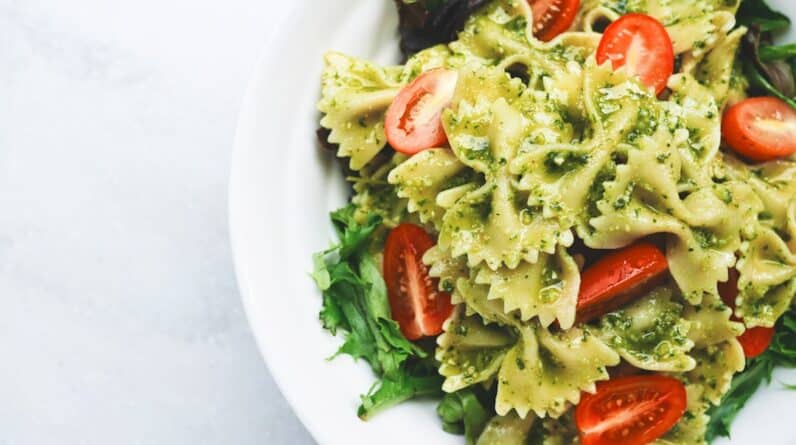
Nutrition is the cornerstone of any successful fitness journey, especially when it comes to fat loss and muscle gain. To support your goals, focus on consuming a balanced diet rich in whole foods. Prioritize lean proteins such as chicken, fish, beans, and legumes, as these are essential for muscle repair and growth.
Additionally, incorporating healthy fats from sources like avocados, nuts, and olive oil can help regulate hormones that play a role in fat loss and muscle gain. Carbohydrates are also important; however, it’s crucial to choose the right types. Opt for complex carbohydrates like whole grains, fruits, and vegetables that provide sustained energy for your workouts.
Timing your meals around your workouts can further enhance your results. Consuming a protein-rich snack or meal after exercising can aid in recovery and muscle synthesis. By being mindful of what you eat and ensuring you’re fueling your body with the right nutrients, you’ll set yourself up for success in achieving both fat loss and muscle gain.
The Benefits of High-Intensity Interval Training (HIIT)
High-Intensity Interval Training (HIIT) has gained popularity for good reason; it offers a time-efficient way to burn fat while preserving muscle mass. HIIT involves alternating between short bursts of intense activity and periods of rest or lower-intensity exercise. This method not only elevates your heart rate but also keeps your metabolism revved up long after your workout is over—a phenomenon known as excess post-exercise oxygen consumption (EPOC).
This means that you continue to burn calories even after you’ve finished exercising. Incorporating HIIT into your routine can also add variety to your workouts, preventing boredom and keeping you motivated. You can tailor HIIT sessions to include exercises you enjoy or target specific muscle groups.
Whether it’s sprinting, cycling, or bodyweight exercises like burpees and jump squats, the options are endless. The versatility of HIIT makes it an excellent choice for anyone looking to maximize their fat loss while maintaining muscle mass.
The Science Behind Fat Loss and Muscle Gain
Understanding the science behind fat loss and muscle gain can empower you to make informed decisions about your fitness journey. At its core, fat loss occurs when you burn more calories than you consume—a concept known as caloric deficit. When you create this deficit through diet and exercise, your body begins to utilize stored fat as energy.
On the other hand, muscle gain requires a caloric surplus combined with adequate protein intake to support muscle repair and growth. Hormones also play a significant role in this process. For instance, testosterone and growth hormone are crucial for muscle development, while insulin helps regulate energy storage and utilization.
Balancing these hormones through proper nutrition and exercise can enhance both fat loss and muscle gain. By understanding these underlying principles, you can tailor your approach to achieve optimal results in both areas.
Common Mistakes to Avoid When Trying to Lose Fat and Gain Muscle

Avoiding Common Pitfalls
As you embark on your journey toward losing fat and gaining muscle, it’s essential to be aware of common pitfalls that could hinder your progress. One frequent mistake is focusing solely on one goal at the expense of the other. Many individuals either prioritize fat loss or muscle gain without realizing that both can be achieved simultaneously with the right approach.
Striking a Balance in Your Workout Routine
Striking a balance between resistance training and cardiovascular exercise while maintaining a proper diet is key. This balanced approach will help you achieve your goals more efficiently.
The Importance of Recovery
Another common error is neglecting recovery. Many people underestimate the importance of rest days and adequate sleep in their fitness routines. Overtraining can lead to burnout and injuries, ultimately derailing your progress. Make sure to listen to your body and allow time for recovery; this will not only enhance your performance but also support muscle growth and fat loss.
The Importance of Rest and Recovery for Optimal Results
Rest and recovery are often overlooked aspects of any fitness regimen but are crucial for achieving optimal results in both fat loss and muscle gain. When you engage in resistance training or high-intensity workouts, you’re essentially creating small tears in your muscle fibers. It’s during the recovery phase that these fibers repair themselves and grow stronger.
Without sufficient rest, you risk hindering this process, which can stall your progress. Incorporating rest days into your routine allows your body to recover fully and adapt to the stresses of training. Additionally, prioritizing sleep is vital; quality sleep supports hormone regulation, energy levels, and overall well-being.
Aim for 7-9 hours of sleep per night to ensure you’re giving your body the time it needs to recover effectively.
How to Create a Balanced Workout Routine for Fat Loss and Muscle Gain
Creating a balanced workout routine that supports both fat loss and muscle gain requires careful planning and consideration of various factors. Start by setting clear goals—determine how much fat you want to lose or how much muscle you aim to gain within a specific timeframe. This will help guide your workout choices and intensity levels.
Incorporate a mix of resistance training and cardiovascular exercise into your weekly schedule. Aim for at least three days of strength training focused on different muscle groups, complemented by two to three days of cardio sessions that vary in intensity and duration. Don’t forget to include flexibility work or active recovery days to promote overall mobility and prevent injury.
By following these guidelines and remaining consistent with your efforts, you’ll be well on your way to achieving a balanced physique that reflects both fat loss and muscle gain. Remember that patience is key; results take time, but with dedication and the right approach, you’ll see progress that aligns with your fitness goals.
If you are looking to burn fat and build muscle, it is important to find a workout routine that is effective for both goals. One article that provides helpful tips on how to burn fat without losing muscle mass is How to Burn Fat and Not Muscle. This article discusses the importance of maintaining muscle mass while focusing on fat loss, and provides strategies to achieve both simultaneously. Additionally, another related article that may be of interest is Does Muscle Build Faster Than Fat Burns, which explores the relationship between muscle growth and fat loss in the body. By incorporating the advice from these articles into your workout routine, you can optimize your fat loss and muscle gain goals.
FAQs
What is a fat loss and muscle gain workout?
A fat loss and muscle gain workout is a type of exercise routine designed to help individuals simultaneously lose body fat and build lean muscle mass.
What are the benefits of a fat loss and muscle gain workout?
The benefits of a fat loss and muscle gain workout include improved body composition, increased metabolism, enhanced strength and endurance, and overall improved physical appearance and health.
What are some key components of a fat loss and muscle gain workout?
Key components of a fat loss and muscle gain workout may include resistance training to build muscle, cardiovascular exercise to burn fat, proper nutrition to support muscle growth and fat loss, and adequate rest and recovery.
How often should I do a fat loss and muscle gain workout?
It is recommended to do a fat loss and muscle gain workout at least 3-4 times per week, with a combination of resistance training and cardiovascular exercise. It is important to allow for adequate rest and recovery between workouts.
What are some examples of exercises in a fat loss and muscle gain workout?
Examples of exercises in a fat loss and muscle gain workout may include squats, deadlifts, lunges, push-ups, pull-ups, rows, and various forms of cardiovascular exercise such as running, cycling, or HIIT (high-intensity interval training).
How important is nutrition in a fat loss and muscle gain workout?
Nutrition is a crucial component of a fat loss and muscle gain workout. Consuming a balanced diet that includes lean protein, healthy fats, complex carbohydrates, and plenty of fruits and vegetables is essential to support muscle growth and fat loss. It is also important to stay hydrated and avoid excessive calorie consumption.