Thigh fat is a common concern for many individuals, and it can be a source of frustration when it comes to achieving your desired body shape. The thighs are one of the areas where fat tends to accumulate, influenced by factors such as genetics, hormonal changes, and lifestyle choices. Understanding the nature of thigh fat is crucial for developing effective strategies to reduce it.
You may find that your body stores fat in this area due to a combination of these factors, making it essential to approach thigh fat loss with a comprehensive mindset. When you think about thigh fat, it’s important to recognize that it serves a purpose in your body. Fat is not inherently bad; it provides energy, insulation, and protection for your muscles and organs.
However, excess fat can lead to health issues and may affect your self-esteem. By understanding the underlying reasons for thigh fat accumulation, you can better tailor your fitness and nutrition plans to target this area effectively. This knowledge empowers you to make informed decisions about your health and fitness journey.
Key Takeaways
- Thigh fat is a common concern for many people and is often caused by genetics, hormones, and lifestyle factors.
- Running can help reduce thigh fat by increasing overall calorie burn and promoting fat loss throughout the body, including the thighs.
- Running not only helps in reducing thigh fat but also improves cardiovascular health, strengthens muscles, and boosts metabolism.
- Incorporating interval training, hill sprints, and resistance training can help target thigh fat more effectively while running.
- Combining strength training exercises such as squats, lunges, and leg presses with running can further enhance thigh fat loss and muscle toning.
The Relationship Between Running and Thigh Fat
The Calorie-Burning Effect of Running
Running is often touted as one of the most effective forms of cardiovascular exercise, and its relationship with thigh fat is particularly noteworthy. When you run, your body engages multiple muscle groups, including those in your legs and thighs. This engagement can lead to increased calorie expenditure, which is essential for fat loss.
Changes in Body Composition
As you run regularly, you may notice changes in your body composition, particularly in the thigh area, as the combination of aerobic activity and muscle engagement works to reduce fat. Moreover, running can help improve your overall metabolism. As you build endurance and strength through consistent running, your body becomes more efficient at burning calories even at rest.
A Holistic Approach to Reducing Thigh Fat
This metabolic boost can contribute to a reduction in thigh fat over time. However, it’s important to remember that running alone may not be sufficient for everyone. Your individual body composition, diet, and overall lifestyle will play significant roles in how effectively running impacts your thigh fat.
Benefits of Running for Thigh Fat Loss

One of the primary benefits of running is its ability to burn calories efficiently. When you engage in a running routine, you create a calorie deficit that is essential for fat loss. This calorie-burning effect is particularly beneficial for targeting stubborn areas like the thighs.
As you run, you not only burn calories during the activity but also continue to burn them post-exercise due to the afterburn effect, known as excess post-exercise oxygen consumption (EPOC). This means that your body continues to work hard even after you’ve finished your run. In addition to calorie burning, running also promotes cardiovascular health.
A strong cardiovascular system enhances blood circulation and oxygen delivery throughout your body, which can aid in fat metabolism. Improved cardiovascular health can also lead to better endurance and stamina, allowing you to run longer distances or at higher intensities. This increased intensity can further amplify the calorie-burning effects of your workouts, making running an excellent choice for those looking to lose thigh fat.
Best Running Techniques for Targeting Thigh Fat
To maximize the effectiveness of running for thigh fat loss, incorporating specific techniques can be beneficial. One effective method is interval training, which involves alternating between high-intensity sprints and lower-intensity recovery periods. This approach not only boosts calorie burn during the workout but also enhances your overall fitness level.
By pushing yourself during the sprints, you engage your thigh muscles more intensely, which can lead to greater fat loss in that area. Another technique to consider is hill running or incline training. Running uphill requires more effort from your leg muscles, particularly the quadriceps and hamstrings.
This increased engagement can help tone and strengthen your thighs while simultaneously burning more calories. If you have access to hills or an incline treadmill, incorporating these into your routine can provide a significant boost to your thigh fat loss efforts.
Incorporating Strength Training with Running for Thigh Fat Loss
While running is an excellent cardiovascular exercise for burning calories and reducing thigh fat, combining it with strength training can yield even better results. Strength training helps build lean muscle mass, which increases your resting metabolic rate and enhances overall fat loss. By incorporating exercises that target the thighs—such as squats, lunges, and leg presses—you can create a well-rounded fitness routine that addresses both fat loss and muscle toning.
Additionally, strength training can help prevent injuries that may arise from running alone. By strengthening the muscles around your knees and hips, you create a more stable foundation for running. This stability allows you to run more efficiently and with better form, ultimately leading to improved performance and greater fat loss in the thighs.
Aim to include strength training sessions two to three times a week alongside your running routine for optimal results.
Common Mistakes to Avoid When Running for Thigh Fat Loss
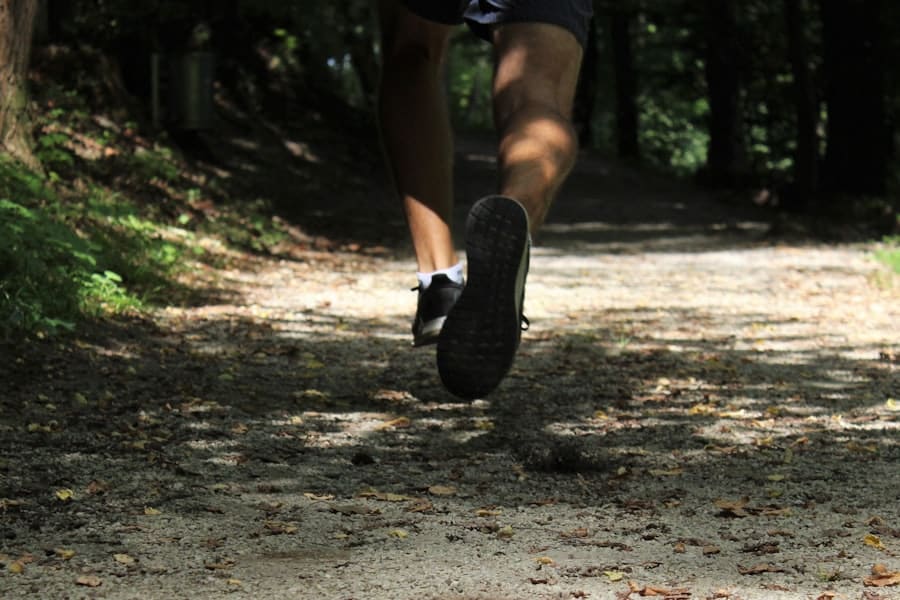
As you embark on your journey to lose thigh fat through running, it’s essential to be aware of common mistakes that could hinder your progress. One prevalent mistake is neglecting proper form while running. Poor form can lead to injuries and may prevent you from effectively engaging the muscles in your thighs.
Focus on maintaining an upright posture, landing softly on your feet, and using a proper stride length to ensure that you’re maximizing the benefits of each run. Another mistake is relying solely on running without considering other aspects of fitness and nutrition. While running is an effective way to burn calories, it’s crucial to complement it with a balanced diet rich in whole foods.
Failing to fuel your body properly can lead to fatigue and hinder your performance. Additionally, incorporating cross-training activities can help prevent burnout and keep your workouts fresh and engaging.
Tips for Maintaining Thigh Fat Loss Through Running
Once you’ve achieved your desired level of thigh fat loss through running, maintaining those results requires ongoing commitment and strategy. One effective tip is to establish a consistent running schedule that fits into your lifestyle. Consistency is key when it comes to maintaining weight loss; aim for at least three to four runs per week while varying the intensity and duration of each session.
In addition to consistency, consider setting new fitness goals to keep yourself motivated. Whether it’s training for a race or aiming to improve your speed or distance, having specific objectives can help you stay focused on your running routine. Furthermore, don’t forget the importance of recovery; allowing your body adequate time to rest and repair will ensure that you remain injury-free and able to continue your running journey.
The Role of Running in Thigh Fat Loss
In conclusion, running plays a significant role in the journey toward losing thigh fat. Its ability to burn calories efficiently while promoting cardiovascular health makes it an excellent choice for those looking to shed excess weight in this area. By understanding the relationship between running and thigh fat, incorporating effective techniques, and combining it with strength training, you can create a comprehensive approach that maximizes results.
As you navigate this journey, remember that patience and consistency are vital components of success. Embrace the process and celebrate small victories along the way. With dedication and the right strategies in place, you can achieve lasting results in reducing thigh fat through running while also enhancing your overall fitness and well-being.
If you are looking to burn fat and build muscle, you may want to check out the article How Do I Burn Fat and Build Muscle. This article provides tips and strategies for achieving both goals simultaneously, which can be beneficial for overall fitness and health. By incorporating a balanced diet and regular exercise routine, you can effectively burn fat and build muscle to achieve your desired physique.
FAQs
What is thigh fat?
Thigh fat refers to the accumulation of excess fat in the thigh area, which can be a common concern for many individuals.
Does running burn thigh fat?
Running can help burn overall body fat, including thigh fat, as it is a cardiovascular exercise that can help increase calorie expenditure.
Is spot reduction possible for thigh fat?
Spot reduction, or the idea that you can target fat loss in a specific area of the body, is not supported by scientific evidence. Therefore, while running can help burn overall body fat, it may not specifically target thigh fat.
What are other exercises that can help reduce thigh fat?
In addition to running, exercises such as squats, lunges, and cycling can help strengthen and tone the muscles in the thigh area, which may contribute to reducing the appearance of thigh fat.
Is diet important for reducing thigh fat?
In addition to exercise, maintaining a balanced and healthy diet is important for overall fat loss, including thigh fat. Consuming a diet high in fruits, vegetables, lean proteins, and whole grains while limiting processed foods and sugary drinks can support fat loss efforts.