When embarking on a weight loss journey, it’s essential to grasp the fundamental principles that govern how your body loses weight. At its core, weight loss occurs when you burn more calories than you consume. This concept, known as the calorie deficit, is the cornerstone of any effective weight loss strategy.
You may find it helpful to think of your body as a complex machine that requires energy to function. This energy comes from the food you eat, and when you consume more energy than your body needs, the excess is stored as fat. Conversely, when you create a deficit, your body taps into these fat reserves for energy, leading to weight loss.
Understanding the role of metabolism is also crucial in this process. Your metabolism is the rate at which your body converts food into energy. Factors such as age, gender, muscle mass, and activity level can influence your metabolic rate.
As you age, for instance, your metabolism tends to slow down, which can make weight loss more challenging. By recognizing these factors, you can tailor your approach to weight loss in a way that aligns with your unique physiology. This knowledge empowers you to make informed decisions about your diet and exercise routine, setting a solid foundation for your weight loss journey.
Key Takeaways
- Weight loss is achieved by creating a calorie deficit, which means burning more calories than consuming.
- High Intensity Interval Training (HIIT) is an effective way to burn calories and improve cardiovascular health.
- Strength training is important for building muscle, which can increase metabolism and aid in fat loss.
- Choosing the right foods, such as lean proteins, fruits, and vegetables, is crucial for supporting fat loss.
- Managing stress and getting enough sleep are important factors in weight loss, as they can impact hormones and appetite control.
Creating a Calorie Deficit
Creating a calorie deficit is the most effective way to initiate weight loss. To achieve this, you need to either reduce your caloric intake or increase your physical activity—or ideally, do both. Start by tracking your daily caloric intake using apps or food diaries.
This practice can help you become more aware of what you’re eating and where you might be able to cut back. You might be surprised to discover how quickly those extra snacks or larger portions can add up. By identifying these areas, you can make small adjustments that lead to significant changes over time.
In addition to monitoring your intake, consider incorporating more physical activity into your daily routine. This doesn’t necessarily mean hitting the gym for hours on end; even small changes can contribute to a calorie deficit. For instance, taking the stairs instead of the elevator, going for a brisk walk during lunch breaks, or engaging in active hobbies can all help increase your daily caloric expenditure.
The key is to find activities that you enjoy so that staying active becomes a natural part of your lifestyle rather than a chore.
Incorporating High Intensity Interval Training (HIIT)

High Intensity Interval Training (HIIT) has gained popularity in recent years for its effectiveness in burning calories and improving cardiovascular fitness in a short amount of time. This training method involves alternating between short bursts of intense exercise and periods of rest or lower-intensity activity. You might find that HIIT workouts are not only efficient but also engaging, as they often incorporate a variety of exercises that keep things interesting.
One of the significant benefits of HIIT is its ability to elevate your heart rate and boost your metabolism even after the workout has ended—a phenomenon known as excess post-exercise oxygen consumption (EPOC). This means that you continue to burn calories long after you’ve finished exercising. If you’re pressed for time or find traditional workouts monotonous, HIIT could be an excellent addition to your routine.
You can start with just 20-30 minutes a few times a week and gradually increase the intensity as your fitness level improves.
Prioritizing Strength Training
While cardio exercises are often emphasized in weight loss discussions, strength training plays an equally vital role in achieving and maintaining a healthy weight. Engaging in resistance training helps build muscle mass, which in turn boosts your resting metabolic rate. This means that even when you’re not exercising, your body burns more calories simply by having more muscle.
You may find that incorporating strength training into your routine not only aids in weight loss but also enhances your overall body composition and strength. Moreover, strength training can improve your functional fitness, making everyday activities easier and reducing the risk of injury. Whether you choose free weights, resistance bands, or bodyweight exercises, the key is to challenge yourself progressively.
Aim for at least two sessions per week, focusing on all major muscle groups. As you become stronger, you’ll likely notice improvements in your performance during other physical activities as well, creating a positive feedback loop that encourages continued progress.
Choosing the Right Foods for Fat Loss
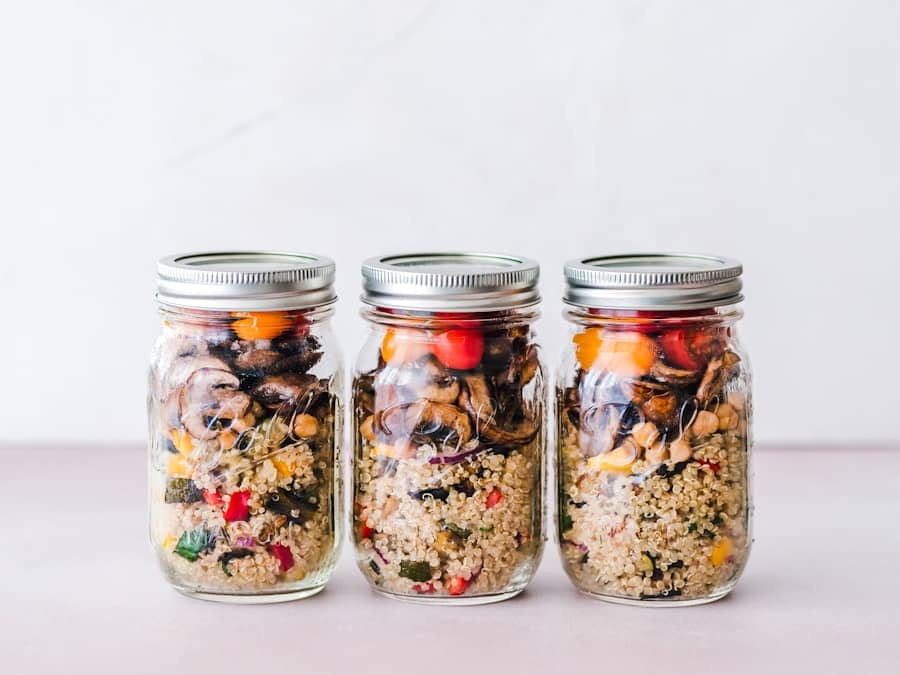
The foods you choose play a crucial role in your weight loss journey. Opting for nutrient-dense foods can help you feel fuller for longer while providing essential vitamins and minerals that support overall health. Focus on incorporating whole foods such as fruits, vegetables, lean proteins, whole grains, and healthy fats into your diet.
These foods not only nourish your body but also tend to be lower in calories compared to processed options. Additionally, pay attention to portion sizes and try to practice mindful eating. This means being aware of what you’re eating and savoring each bite rather than eating mindlessly while distracted by screens or other activities.
You might find that slowing down during meals allows you to recognize when you’re satisfied, helping prevent overeating. Experiment with different recipes and meal prep strategies to keep your meals exciting and aligned with your weight loss goals.
Managing Stress and Sleep for Weight Loss
Managing Stress for Weight Loss
Consider incorporating relaxation techniques such as meditation, yoga, or deep breathing exercises into your daily routine. These practices can help reduce cortisol levels, leading to a healthier appetite and better food choices.
The Importance of Quality Sleep
Sleep is equally important; inadequate rest can disrupt hormones that regulate hunger and satiety, making it more challenging to stick to healthy eating habits. Aim for 7-9 hours of quality sleep each night to support both physical and mental well-being.
Creating a Conducive Environment for Weight Loss
Establishing a calming bedtime routine can help improve sleep quality—consider limiting screen time before bed and creating a comfortable sleep environment. By prioritizing stress management and sleep hygiene, you’ll create a more conducive environment for successful weight loss.
Staying Consistent and Patient
Weight loss is often a gradual process that requires consistency and patience. It’s easy to become discouraged if you don’t see immediate results; however, it’s important to remember that sustainable weight loss takes time. Set realistic goals for yourself and celebrate small victories along the way—whether it’s fitting into a favorite pair of jeans or completing a challenging workout.
These milestones can help keep you motivated and focused on the bigger picture. To maintain consistency, consider establishing a routine that incorporates healthy habits into your daily life. This could include meal prepping on weekends, scheduling regular workout sessions, or finding an accountability partner who shares similar goals.
By creating structure around your efforts, you’ll be better equipped to navigate challenges and stay committed to your weight loss journey.
Seeking Professional Guidance
While self-directed efforts can be effective for many individuals, seeking professional guidance can provide additional support and expertise tailored to your specific needs. A registered dietitian or certified personal trainer can help you develop a personalized plan that considers your unique circumstances, preferences, and goals. They can also offer valuable insights into nutrition science and exercise techniques that may enhance your results.
Moreover, working with professionals can help you stay accountable and motivated throughout your journey. They can provide ongoing support and adjustments as needed based on your progress and any challenges you encounter along the way. If you’re feeling overwhelmed or unsure where to start, don’t hesitate to reach out for help—investing in professional guidance can be a game-changer in achieving lasting weight loss success.
In conclusion, embarking on a weight loss journey involves understanding the basics of calorie balance, creating a calorie deficit through mindful eating and increased activity levels, incorporating effective exercise strategies like HIIT and strength training, choosing nutrient-dense foods, managing stress and sleep effectively, staying consistent with your efforts, and seeking professional guidance when necessary. By embracing these principles with patience and determination, you can achieve sustainable weight loss while improving your overall health and well-being.
If you are looking to track your progress while trying to lose fat weight fast, you may want to check out this article on tracking your progress. It offers helpful tips and strategies for monitoring your weight loss journey effectively. Additionally, if you are considering incorporating green tea into your weight loss routine, you may be interested in reading about whether green tea fat burner is safe. Green tea has been shown to have potential fat-burning properties, making it a popular choice for those looking to shed excess pounds.
FAQs
What are some effective ways to lose fat weight fast?
Some effective ways to lose fat weight fast include following a balanced and healthy diet, engaging in regular physical activity, getting enough sleep, managing stress levels, and staying hydrated.
Is it possible to lose fat weight fast in a healthy way?
Yes, it is possible to lose fat weight fast in a healthy way by making sustainable lifestyle changes, such as eating a balanced diet, exercising regularly, and getting enough rest.
What are some foods that can help with fat weight loss?
Foods that can help with fat weight loss include lean proteins, fruits and vegetables, whole grains, healthy fats, and foods high in fiber. These foods can help keep you feeling full and satisfied while providing essential nutrients.
How important is exercise in losing fat weight fast?
Exercise is an important component of losing fat weight fast as it helps to increase metabolism, burn calories, and build lean muscle mass. Incorporating both cardio and strength training exercises can be beneficial for fat loss.
Are there any supplements or pills that can help with losing fat weight fast?
While there are many supplements and pills on the market that claim to aid in fat weight loss, it is important to consult with a healthcare professional before taking any of these products. It is always best to focus on a healthy diet and regular exercise as the primary methods for losing fat weight fast.