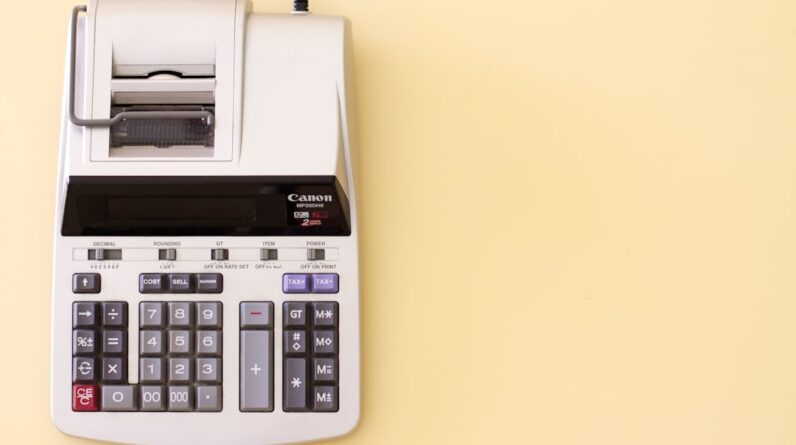
When embarking on a journey toward fat loss, it’s essential to grasp the fundamental principles that govern how your body sheds weight. At its core, fat loss occurs when you burn more calories than you consume. This concept, known as the calorie deficit, is the cornerstone of any effective weight loss strategy.
Your body requires a certain number of calories to maintain its current weight, and when you consistently consume fewer calories than this maintenance level, your body begins to tap into its fat reserves for energy. This process is not just about cutting calories; it’s about understanding how your body utilizes energy and how different factors can influence this balance. Moreover, it’s important to recognize that fat loss is not a linear process.
You may experience fluctuations in weight due to various factors such as water retention, hormonal changes, or muscle gain. Therefore, it’s crucial to approach fat loss with patience and a long-term mindset. Instead of focusing solely on the scale, consider other indicators of progress, such as how your clothes fit or your energy levels throughout the day.
By understanding these basics, you can set a solid foundation for your fat loss journey and make informed decisions that align with your goals.
Key Takeaways
- Fat loss occurs when the body burns more calories than it consumes
- Creating a calorie deficit through diet and exercise is essential for fat loss
- Choosing nutrient-dense, whole foods can support weight loss and overall health
- Regular exercise, including both cardio and strength training, can accelerate fat loss
- Managing stress and getting adequate sleep are important for weight loss and overall well-being
Creating a Calorie Deficit
Calculating Your Total Daily Energy Expenditure (TDEE)
Start by calculating your Total Daily Energy Expenditure (TDEE), which represents the number of calories your body burns in a day, including both resting metabolic rate and physical activity.
Creating a Safe and Sustainable Calorie Deficit
Once you have this number, aim to consume fewer calories than your TDEE. A common recommendation is to create a deficit of 500 to 1000 calories per day, which can lead to a safe and sustainable weight loss of about one to two pounds per week.
Making Gradual Changes for a Healthier Lifestyle
However, it’s essential to approach calorie reduction thoughtfully. Drastically cutting calories can lead to nutrient deficiencies and may slow down your metabolism over time. Instead, consider making gradual changes to your diet and lifestyle. This could involve swapping high-calorie snacks for healthier options, reducing portion sizes, or incorporating more physical activity into your daily routine. By making these adjustments, you can create a calorie deficit without feeling deprived or overwhelmed.
Choosing the Right Foods for Weight Loss

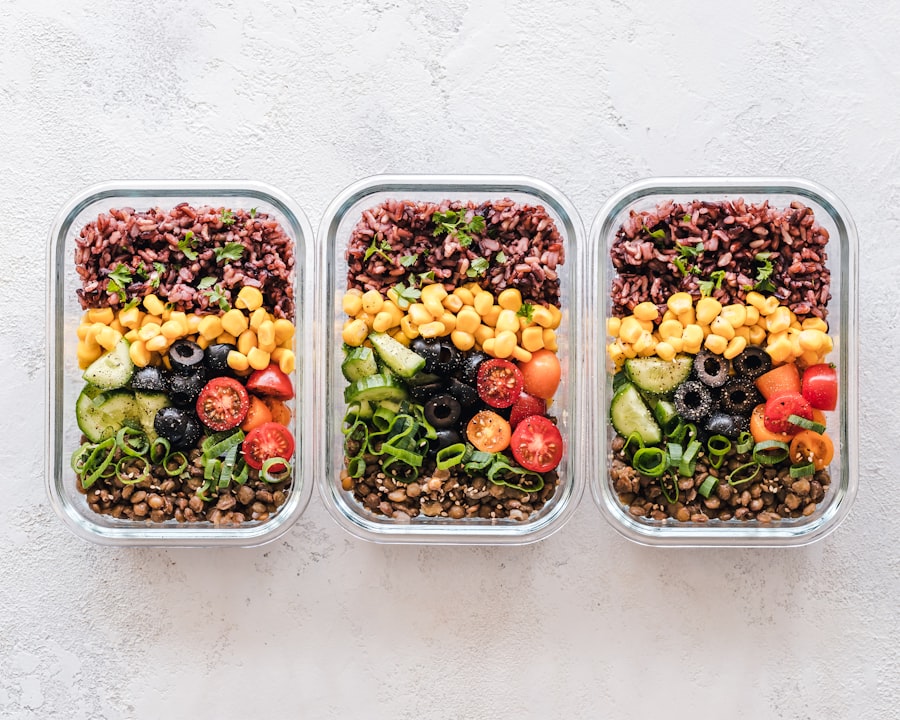
The foods you choose play a significant role in your fat loss journey. Opting for nutrient-dense foods can help you feel fuller for longer while providing your body with the essential vitamins and minerals it needs to function optimally. Focus on incorporating whole foods such as fruits, vegetables, lean proteins, whole grains, and healthy fats into your diet.
These foods not only support fat loss but also promote overall health and well-being. In addition to choosing the right foods, pay attention to portion sizes and meal timing. Eating smaller, more frequent meals throughout the day can help regulate hunger and prevent overeating.
Furthermore, consider incorporating high-fiber foods into your meals, as fiber can aid digestion and keep you feeling satisfied. By being mindful of what you eat and how much you consume, you can create a balanced diet that supports your fat loss goals while still allowing for occasional treats.
Incorporating Exercise for Faster Results
While diet plays a crucial role in fat loss, incorporating regular exercise can significantly enhance your results. Engaging in physical activity not only helps you burn additional calories but also boosts your metabolism and improves overall fitness levels. Aim for a combination of cardiovascular exercises, such as running or cycling, and strength training activities, like weight lifting or bodyweight exercises.
This balanced approach will help you build lean muscle mass while promoting fat loss. Moreover, finding activities that you enjoy can make exercising feel less like a chore and more like a rewarding part of your routine. Whether it’s dancing, hiking, or joining a sports team, staying active should be enjoyable.
Additionally, consider setting specific fitness goals to keep yourself motivated. Whether it’s running a certain distance or lifting a specific weight, having clear objectives can help you stay focused on your journey toward fat loss.
Managing Stress and Sleep for Weight Loss
Stress and sleep are often overlooked factors that can significantly impact your ability to lose fat. When you experience stress, your body releases cortisol, a hormone that can lead to increased appetite and cravings for unhealthy foods. Therefore, managing stress through techniques such as mindfulness meditation, yoga, or deep breathing exercises can be beneficial for your weight loss efforts.
Finding healthy outlets for stress can help you maintain control over your eating habits and make better choices. Sleep is equally important in the context of fat loss. Lack of sleep can disrupt hormonal balance and lead to increased hunger and cravings for high-calorie foods.
Aim for seven to nine hours of quality sleep each night to support your body’s recovery processes and regulate appetite hormones effectively. Establishing a consistent sleep schedule and creating a relaxing bedtime routine can help improve the quality of your sleep. By prioritizing both stress management and sleep hygiene, you can create an environment conducive to successful fat loss.
Avoiding Common Pitfalls in Fat Loss
As you navigate your fat loss journey, it’s essential to be aware of common pitfalls that can hinder your progress. One major challenge many people face is the temptation to seek quick fixes or fad diets that promise rapid results. While these approaches may yield short-term success, they often lead to unsustainable habits and eventual weight regain.
Instead of focusing on quick fixes, commit to making lasting lifestyle changes that promote healthy eating and regular exercise. Another common pitfall is the tendency to become overly fixated on the scale. While tracking your weight can provide valuable insights into your progress, it’s important to remember that fluctuations are normal and do not always reflect changes in body composition.
Instead of solely relying on the scale as a measure of success, consider other indicators such as how you feel physically and mentally or improvements in strength and endurance. By maintaining a balanced perspective on your progress, you can stay motivated and committed to your long-term goals.
Utilizing Supplements for Weight Loss
While whole foods should be the foundation of any weight loss plan, some individuals may find that certain supplements can support their efforts. For instance, protein powders can be an effective way to increase protein intake without adding excessive calories. Protein is essential for muscle repair and growth, making it particularly important if you’re incorporating strength training into your routine.
Additionally, some supplements may help boost metabolism or reduce appetite. Ingredients like green tea extract or caffeine have been shown to have thermogenic properties that may aid in fat burning. However, it’s crucial to approach supplements with caution and consult with a healthcare professional before adding them to your regimen.
Remember that supplements are not a substitute for a healthy diet and lifestyle; they should complement your efforts rather than replace them.
Setting Realistic Goals and Tracking Progress
Setting realistic goals is vital for maintaining motivation throughout your fat loss journey. Instead of aiming for drastic changes in a short period, focus on achievable milestones that allow for gradual progress. For example, setting a goal to lose one pound per week is more sustainable than aiming for five pounds in the same timeframe.
By breaking down larger goals into smaller, manageable steps, you can celebrate each achievement along the way. Tracking your progress is equally important in staying accountable and motivated. Consider keeping a journal or using apps that allow you to log your food intake, exercise routines, and measurements over time.
This practice not only helps you identify patterns in your behavior but also provides valuable insights into what works best for you. By regularly reviewing your progress and adjusting your strategies as needed, you can stay on track toward achieving your fat loss goals while fostering a positive relationship with food and exercise. In conclusion, embarking on a fat loss journey requires understanding the basics of how your body works, creating a calorie deficit through mindful eating and exercise, managing stress and sleep effectively, avoiding common pitfalls, considering supplements wisely, and setting realistic goals while tracking progress diligently.
By adopting these principles into your lifestyle, you can achieve sustainable fat loss while enhancing your overall health and well-being.
If you are looking to lose fat and weight fast, you may want to consider incorporating exercises that specifically target burning fat. One helpful article on this topic is “Burn Fat Exercises”, which provides tips and techniques for maximizing fat loss through physical activity. Additionally, understanding how your body burns fat while you sleep can also be beneficial in achieving your weight loss goals. Check out “Does Your Body Burn Fat While You Sleep?” for more information on this topic.
FAQs
What are some effective ways to lose fat and weight fast?
Some effective ways to lose fat and weight fast include following a balanced and healthy diet, engaging in regular physical activity, getting enough sleep, managing stress levels, and staying hydrated.
Is it possible to lose fat and weight fast in a healthy way?
Yes, it is possible to lose fat and weight fast in a healthy way by making sustainable lifestyle changes, such as eating nutrient-dense foods, exercising regularly, and avoiding crash diets or extreme measures.
What are some healthy foods that can help with fat and weight loss?
Healthy foods that can aid in fat and weight loss include fruits, vegetables, lean proteins, whole grains, and healthy fats. These foods provide essential nutrients and can help keep you feeling full and satisfied.
How important is regular physical activity for losing fat and weight fast?
Regular physical activity is crucial for losing fat and weight fast as it helps to burn calories, build lean muscle mass, and improve overall health. Aim for at least 150 minutes of moderate-intensity exercise per week.
Are there any specific tips for losing fat and weight fast?
Some specific tips for losing fat and weight fast include tracking your food intake, practicing portion control, avoiding sugary and processed foods, and seeking support from a healthcare professional or a registered dietitian.