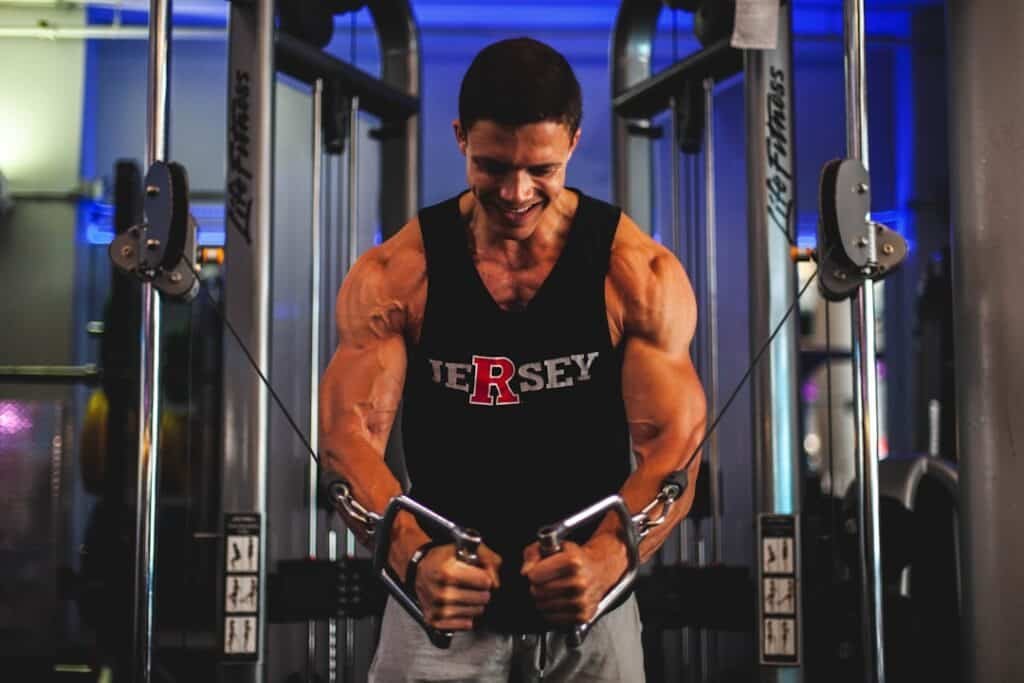
To embark on your journey toward fat burning and muscle building, it’s essential to grasp the fundamental principles that govern these processes. At its core, fat burning occurs when your body utilizes stored fat as a source of energy, a process that can be influenced by various factors including diet, exercise, and metabolism. When you create a caloric deficit—burning more calories than you consume—your body begins to tap into its fat reserves.
This is where understanding your basal metabolic rate (BMR) becomes crucial. Your BMR is the number of calories your body needs to maintain basic physiological functions at rest. By knowing this number, you can tailor your caloric intake and expenditure to effectively promote fat loss.
On the other hand, muscle building, or hypertrophy, involves the process of repairing and growing muscle fibers after they have been stressed through resistance training. When you lift weights or engage in resistance exercises, tiny tears occur in your muscle fibers. Your body responds by repairing these tears, leading to increased muscle size and strength.
This process requires not only a sufficient intake of protein but also an adequate caloric surplus to fuel muscle growth. Balancing these two goals—fat loss and muscle gain—can be challenging but is achievable with the right approach and mindset.
Key Takeaways
- Understanding the basics of fat burning and muscle building is essential for achieving desired results.
- Creating a balanced diet that supports fat loss and muscle gain is crucial for overall success.
- Incorporating high intensity interval training (HIIT) can maximize results in a shorter amount of time.
- Utilizing resistance training is key to building lean muscle mass and increasing metabolism.
- Adequate rest and recovery are important for fat loss and muscle growth, and should not be overlooked.
Creating a Balanced Diet for Fat Loss and Muscle Gain
Crafting a balanced diet is pivotal in your quest for fat loss and muscle gain. Start by focusing on whole, nutrient-dense foods that provide the vitamins and minerals necessary for optimal health. Incorporate lean proteins such as chicken, fish, legumes, and tofu into your meals, as protein is essential for muscle repair and growth.
Aim for a variety of colorful fruits and vegetables to ensure you’re getting a wide range of nutrients while keeping your caloric intake in check. Whole grains like brown rice, quinoa, and oats can provide the necessary carbohydrates to fuel your workouts while also keeping you satiated. In addition to macronutrients, pay attention to portion sizes and meal timing.
Eating smaller, more frequent meals throughout the day can help regulate your metabolism and prevent overeating. Consider incorporating healthy fats from sources like avocados, nuts, and olive oil, as they play a crucial role in hormone production and overall health. Remember that hydration is equally important; drinking enough water can aid digestion and support metabolic processes.
By creating a balanced diet that aligns with your fitness goals, you set the foundation for effective fat loss and muscle gain.
Incorporating High Intensity Interval Training (HIIT) for Maximum Results
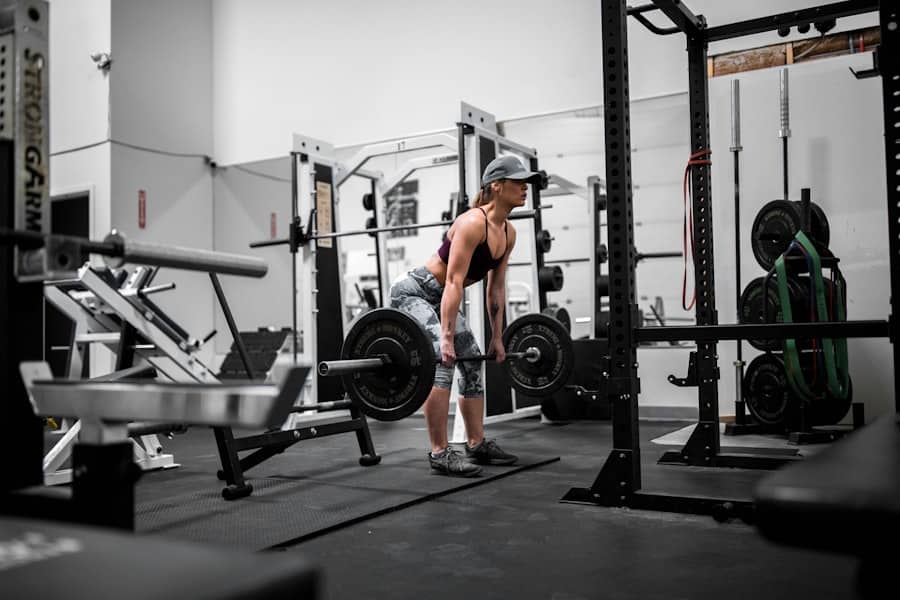
High Intensity Interval Training (HIIT) has gained popularity for its efficiency in burning fat while preserving muscle mass. This training method involves alternating between short bursts of intense exercise and periods of rest or lower-intensity activity. The beauty of HIIT lies in its versatility; you can incorporate it into various forms of exercise, from running to cycling to bodyweight workouts.
Not only does HIIT elevate your heart rate, but it also boosts your metabolism long after your workout has ended—a phenomenon known as excess post-exercise oxygen consumption (EPOC). To get started with HIIT, choose exercises that you enjoy and can perform safely. A typical HIIT session might include 20 seconds of maximum effort followed by 40 seconds of rest, repeated for several rounds.
This approach not only keeps your workouts engaging but also allows you to challenge yourself progressively. As you become more comfortable with the format, you can increase the intensity or duration of the work intervals. By incorporating HIIT into your routine, you can maximize fat loss while still promoting muscle retention.
Utilizing Resistance Training to Build Lean Muscle Mass
Resistance training is a cornerstone of any effective program aimed at building lean muscle mass. Engaging in weightlifting or bodyweight exercises stimulates muscle fibers, prompting them to adapt and grow stronger over time. To achieve optimal results, focus on compound movements such as squats, deadlifts, bench presses, and pull-ups.
These exercises engage multiple muscle groups simultaneously, allowing you to lift heavier weights and maximize your workout efficiency. As you progress in your resistance training journey, it’s important to gradually increase the weight or resistance you use—a principle known as progressive overload. This ensures that your muscles are continually challenged, which is essential for growth.
Additionally, consider varying your workout routine every few weeks to prevent plateaus and keep your muscles guessing. Incorporating different rep ranges and rest periods can also enhance your results. By committing to a structured resistance training program, you’ll not only build lean muscle mass but also improve your overall strength and functional fitness.
The Importance of Adequate Rest and Recovery for Fat Loss and Muscle Growth
While it may be tempting to push yourself relentlessly in pursuit of your fitness goals, adequate rest and recovery are just as crucial as the workouts themselves. When you exercise, especially during resistance training, you create micro-tears in your muscles that need time to heal. This healing process is where muscle growth occurs; without sufficient rest, you risk overtraining, which can lead to fatigue, decreased performance, and even injury.
Incorporating rest days into your routine allows your body to recover and adapt to the stresses placed upon it during workouts. Aim for at least one or two rest days per week, depending on the intensity of your training regimen. Additionally, prioritize sleep; quality sleep is essential for hormone regulation and recovery processes.
Strive for 7-9 hours of sleep each night to support both fat loss and muscle growth effectively. By recognizing the importance of rest and recovery, you’ll enhance your overall performance and achieve sustainable results.
Supplementing for Fat Loss and Muscle Building
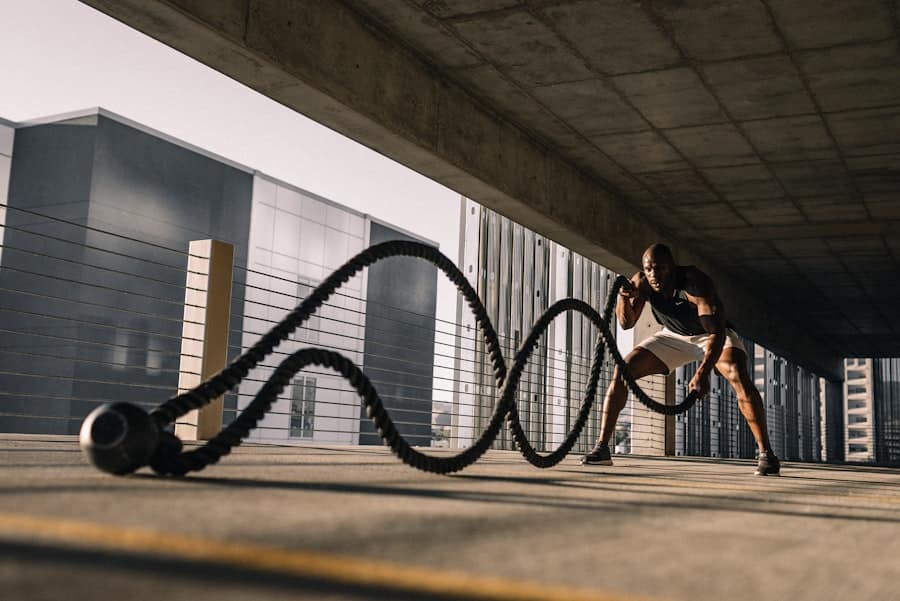
While a well-rounded diet should be your primary source of nutrients, supplements can play a supportive role in achieving your fat loss and muscle-building goals. Protein powders are among the most popular supplements for those looking to increase their protein intake conveniently. They can help ensure that you meet your daily protein requirements, especially post-workout when your muscles are primed for recovery.
Other supplements worth considering include branched-chain amino acids (BCAAs), which may aid in reducing muscle soreness and promoting recovery after intense workouts. Creatine is another well-researched supplement that can enhance strength and power during resistance training sessions. However, it’s essential to approach supplementation with caution; always consult with a healthcare professional before adding new products to your regimen.
Remember that supplements should complement a balanced diet rather than replace whole foods.
Tracking Progress and Adjusting Your Plan Accordingly
Tracking your progress is vital in ensuring that you stay on course toward achieving your fitness goals. Keeping a journal or using fitness apps can help you monitor various metrics such as weight changes, body measurements, workout performance, and dietary habits. By regularly assessing these factors, you can identify what’s working well and what may need adjustment.
If you find that you’re not seeing the desired results after several weeks of consistent effort, don’t hesitate to tweak your plan. This could involve modifying your caloric intake, changing up your workout routine, or increasing the intensity of your training sessions. Remember that progress isn’t always linear; there will be ups and downs along the way.
By staying flexible and open to adjustments, you’ll be better equipped to navigate challenges and continue moving toward your goals.
Staying Consistent and Patient for Long-Term Results
Ultimately, achieving lasting fat loss and muscle gain requires consistency and patience. It’s easy to become discouraged if results don’t come as quickly as you’d like; however, remember that meaningful change takes time. Establishing healthy habits—whether through diet or exercise—requires dedication over the long haul.
To maintain motivation during this journey, set realistic short-term goals alongside your long-term objectives. Celebrate small victories along the way; whether it’s lifting heavier weights or fitting into a favorite pair of jeans again, acknowledging these milestones can keep you inspired. Surround yourself with a supportive community or workout partners who share similar goals; having accountability can make a significant difference in staying committed.
In conclusion, by understanding the basics of fat burning and muscle building, creating a balanced diet, incorporating effective training methods like HIIT and resistance training, prioritizing rest and recovery, considering supplementation wisely, tracking progress diligently, and maintaining consistency with patience, you’ll be well on your way to achieving sustainable results in your fitness journey. Embrace the process; every step forward brings you closer to becoming the best version of yourself.
If you’re looking to burn fat and build muscle, you may want to consider incorporating the Mediterranean diet into your routine. This diet has been shown to promote weight loss and improve overall health. For an extra boost in your weight loss journey, you may also want to consider trying a shot specifically designed for weight loss. Additionally, using the best fat burner supplements can help you melt away stubborn fat and achieve your fitness goals faster. Check out these articles on the Mediterranean diet, weight loss shots, and the best fat burners to learn more about how you can optimize your fat burning and muscle building efforts.
FAQs
What is the best way to burn fat and build muscle at the same time?
To burn fat and build muscle simultaneously, it is important to focus on a combination of resistance training and cardiovascular exercise. This can include weightlifting, bodyweight exercises, and high-intensity interval training (HIIT) to maximize fat burning and muscle building.
How does nutrition play a role in burning fat and building muscle?
Nutrition is crucial for burning fat and building muscle. Consuming a balanced diet that includes lean protein, healthy fats, complex carbohydrates, and plenty of fruits and vegetables is essential. It is also important to maintain a caloric deficit to burn fat while ensuring an adequate protein intake to support muscle growth.
Is it possible to target specific areas for fat loss and muscle building?
While it is not possible to spot reduce fat in specific areas, targeted exercises can help build muscle in specific areas of the body. However, overall fat loss will occur throughout the body with a combination of proper nutrition and exercise.
How important is rest and recovery in the process of burning fat and building muscle?
Rest and recovery are essential for burning fat and building muscle. Muscles need time to repair and grow after resistance training, and adequate rest also plays a role in regulating hormones that affect fat loss and muscle growth.
What are some common mistakes to avoid when trying to burn fat and build muscle simultaneously?
Common mistakes to avoid include excessive cardio that can hinder muscle growth, not consuming enough protein to support muscle growth, and not allowing for adequate rest and recovery. It is also important to avoid extreme calorie deficits, as this can lead to muscle loss.