Heart Failure: Understanding the Condition and Nurturing Your Heart Health
Heart failure is a serious and progressive condition where the heart is unable to pump blood effectively, leading to various health challenges. Understanding heart failure is crucial in recognizing its symptoms, making positive lifestyle changes, and managing this condition effectively.
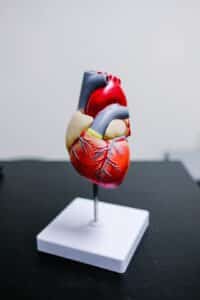
Let’s explore the key points of this important health topic:
1. What is Heart Failure?
– Heart failure occurs when the heart’s pumping capacity weakens, leading to inadequate blood circulation to meet the body’s needs.
2. Prevalence:
– Heart failure affects millions of people worldwide and is a leading cause of hospitalization among older adults.
3. Causes and Risk Factors:
– Coronary Artery Disease: Blocked or narrowed blood vessels reduce blood flow to the heart muscle.
– High Blood Pressure (Hypertension): Prolonged hypertension strains the heart and weakens its pumping ability.
– Previous Heart Attack: Damage from a heart attack can weaken the heart muscle.
– Cardiomyopathy: Conditions that damage the heart muscle, making it less efficient in pumping blood.
– Diabetes: Uncontrolled diabetes can increase the risk of heart failure.
– Heart Valve Problems: Faulty heart valves can impair blood flow and strain the heart.
4. Symptoms:
– Shortness of Breath: Difficulty breathing, especially during physical activity or when lying flat.
– Fatigue: Feeling excessively tired, even with light activity.
– Swelling (Edema): Accumulation of fluid in the legs, ankles, feet, or abdomen.
– Rapid or Irregular Heartbeat: Heart palpitations or a fluttering sensation in the chest.
5. Types of Heart Failure:
– Left-Sided Heart Failure: The most common type, where the left ventricle is unable to pump blood effectively.
– Right-Sided Heart Failure: This occurs when the right ventricle fails to pump blood to the lungs properly.
– Systolic Heart Failure: The heart muscle weakens, reducing its ability to contract and pump blood.
– Diastolic Heart Failure: The heart muscle becomes stiff, impairing its ability to relax and fill with blood.
6. Management and Treatment:
– Medications: Doctors may prescribe medications to manage symptoms and improve heart function.
– Lifestyle Changes: Adopt a heart-healthy diet, engage in regular exercise, and quit smoking.
– Fluid Restriction: Limiting fluid intake can help manage edema.
– Device Implantation: Some individuals may benefit from pacemakers or defibrillators.
7. Preventive Measures:
– Manage High Blood Pressure: Regularly monitor blood pressure and follow healthcare provider’s recommendations.
– Maintain a Healthy Weight: Achieve and maintain a healthy weight through a balanced diet and exercise.
– Control Diabetes: Properly manage diabetes to reduce heart failure risk.
– Limit Alcohol Intake: Excessive alcohol consumption can weaken the heart muscle.
8. Regular Check-ups:
– Regularly visit healthcare providers to monitor heart health and identify any changes.
9. Empowering Individuals:
– Understanding heart failure empowers individuals to take control of their heart health and make positive changes.