When embarking on a journey toward fat loss and muscle gain, it’s essential to grasp the fundamental principles that govern these processes. At its core, fat loss occurs when you burn more calories than you consume, creating a caloric deficit. This deficit forces your body to tap into its fat reserves for energy, leading to a reduction in body fat.
On the other hand, muscle gain, or hypertrophy, happens when you engage in resistance training that stimulates muscle fibers, prompting them to repair and grow stronger. Understanding this balance between caloric intake and expenditure is crucial for achieving your fitness goals. You may find it helpful to recognize that fat loss and muscle gain can occur simultaneously, although this process can be complex.
For instance, if you are new to exercise or returning after a long break, your body may respond favorably to both fat loss and muscle gain at the same time. However, for most individuals, focusing on one goal at a time—either losing fat or building muscle—can yield more effective results. By understanding these basics, you can set realistic expectations and create a roadmap tailored to your unique needs.
Key Takeaways
- Understanding the basics of fat loss and muscle gain is essential for achieving fitness goals.
- Nutrition plays a crucial role in achieving fat loss and muscle gain, emphasizing the importance of a balanced diet.
- Designing a balanced diet plan involves incorporating the right proportions of protein, carbohydrates, and fats.
- Exercise is a key factor in enhancing fat loss and muscle gain, complementing a well-rounded diet plan.
- Monitoring progress and making adjustments to the diet plan are necessary for sustained fat loss and muscle gain.
The Importance of Nutrition in Achieving Fat Loss and Muscle Gain
Nutrition plays a pivotal role in your quest for fat loss and muscle gain. The food you consume provides the necessary fuel for your workouts and recovery, influencing your overall performance and results. A well-balanced diet not only supports your energy levels but also ensures that your body has the right nutrients to build muscle and shed fat effectively.
Without proper nutrition, even the most rigorous exercise regimen may fall short of delivering the desired outcomes. You should pay close attention to macronutrients—proteins, carbohydrates, and fats—as they each serve distinct functions in your body. Proteins are essential for muscle repair and growth, while carbohydrates provide the energy needed for high-intensity workouts.
Fats, often misunderstood, are crucial for hormone production and overall health. By understanding the importance of these macronutrients, you can make informed choices that align with your goals, ensuring that your body receives the support it needs to thrive.
Designing a Balanced Diet Plan for Fat Loss and Muscle Gain
Creating a balanced diet plan tailored to your goals is a vital step in your journey toward fat loss and muscle gain. Start by determining your daily caloric needs based on factors such as age, gender, weight, activity level, and fitness objectives. Once you have this baseline, you can adjust your caloric intake to create a deficit for fat loss or a surplus for muscle gain.
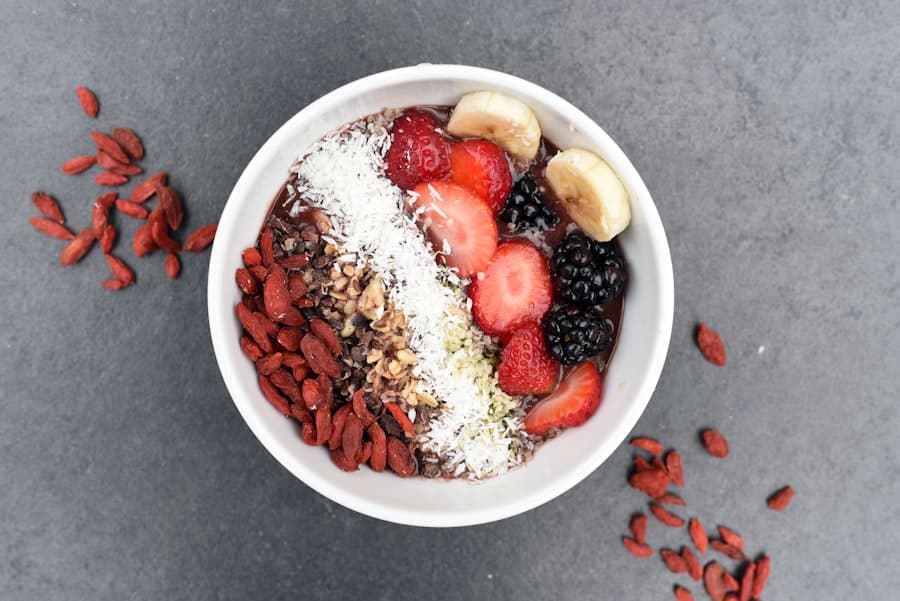
It’s important to remember that these adjustments should be gradual to avoid overwhelming your body. In addition to caloric considerations, focus on the quality of the foods you consume. Aim for a variety of whole foods that are rich in nutrients—fruits, vegetables, lean proteins, whole grains, and healthy fats should all be staples in your diet.
This diversity not only ensures that you receive essential vitamins and minerals but also helps keep your meals interesting and satisfying. By designing a balanced diet plan that prioritizes nutrient-dense foods, you set yourself up for success in achieving both fat loss and muscle gain.
Incorporating Protein, Carbohydrates, and Fats into Your Diet
To optimize your diet for fat loss and muscle gain, it’s crucial to understand how to incorporate protein, carbohydrates, and fats effectively. Protein should be a cornerstone of your meals; aim for sources such as lean meats, fish, eggs, dairy products, legumes, and plant-based proteins. Consuming adequate protein not only supports muscle repair but also helps keep you feeling full longer, which can be beneficial when trying to lose fat.
Carbohydrates are equally important, especially if you engage in regular exercise. They serve as the primary energy source for your workouts. Focus on complex carbohydrates like whole grains, fruits, and vegetables that provide sustained energy without causing spikes in blood sugar levels.
Finally, don’t shy away from healthy fats; sources like avocados, nuts, seeds, and olive oil are essential for hormone regulation and overall health. By striking the right balance among these macronutrients, you can fuel your body effectively while working toward your fitness goals.
The Role of Exercise in Enhancing Fat Loss and Muscle Gain
Exercise is a critical component of any successful fat loss and muscle gain strategy. Engaging in regular physical activity not only helps create the caloric deficit needed for fat loss but also stimulates muscle growth through resistance training. Incorporating a mix of cardiovascular exercises—such as running, cycling, or swimming—and strength training can maximize your results.
Cardio helps burn calories and improve cardiovascular health, while strength training builds lean muscle mass. You may find it beneficial to establish a consistent workout routine that includes both types of exercise. Aim for at least 150 minutes of moderate-intensity aerobic activity each week combined with two or more days of strength training targeting all major muscle groups.
This balanced approach not only enhances fat loss but also promotes overall fitness and well-being. Remember that consistency is key; making exercise a regular part of your lifestyle will yield the best long-term results.
Monitoring Progress and Making Adjustments to Your Diet Plan

Tracking Your Journey
As you embark on your journey toward fat loss and muscle gain, monitoring your progress is essential for staying on track and making necessary adjustments to your diet plan. Regularly assess your weight, body measurements, or even take progress photos to visually document changes over time.
Understanding Weight Fluctuations
However, it’s important to remember that weight alone doesn’t tell the whole story; fluctuations are normal due to various factors such as water retention or muscle gain.
Breaking Through Plateaus
If you find that progress has stalled or is slower than expected, consider revisiting your diet plan. You may need to adjust your caloric intake or macronutrient ratios based on how your body is responding. Additionally, keep an eye on your workout routine; varying your exercises or increasing intensity can help break through plateaus.
Staying on Track
By actively monitoring your progress and being willing to adapt your approach as needed, you can continue moving toward your goals with confidence.
Overcoming Challenges and Plateaus in Fat Loss and Muscle Gain
Throughout your journey toward fat loss and muscle gain, you will likely encounter challenges and plateaus that can test your resolve. It’s important to recognize that these obstacles are a normal part of the process; everyone experiences them at some point. When faced with setbacks—whether due to lack of motivation, time constraints, or slow progress—remind yourself of why you started this journey in the first place.
To overcome these challenges, consider implementing strategies such as setting smaller, achievable goals that lead up to your larger objectives. This approach can help maintain motivation by providing a sense of accomplishment along the way. Additionally, don’t hesitate to seek support from friends or online communities who share similar goals; having a support system can make a significant difference in staying committed during tough times.
Seeking Professional Guidance and Support for Optimal Results
While self-guided efforts can lead to success in fat loss and muscle gain, seeking professional guidance can enhance your results significantly. A registered dietitian or certified personal trainer can provide personalized advice tailored to your specific needs and goals. They can help you navigate the complexities of nutrition and exercise while ensuring that you’re following safe practices.
Working with professionals not only offers accountability but also provides access to their expertise in creating effective meal plans and workout routines. They can help you identify potential pitfalls in your approach and offer solutions based on current research and best practices in the field of fitness and nutrition. By investing in professional guidance, you position yourself for optimal results on your journey toward achieving fat loss and muscle gain.
In conclusion, understanding the intricacies of fat loss and muscle gain is essential for anyone looking to improve their physique and overall health. By focusing on nutrition, designing a balanced diet plan, incorporating exercise effectively, monitoring progress diligently, overcoming challenges with resilience, and seeking professional support when needed, you can navigate this journey with confidence and achieve lasting results. Remember that every step you take brings you closer to your goals; embrace the process and celebrate each milestone along the way.
If you are looking to burn fat and gain muscle, it is important to understand the relationship between the two. According to a related article on Super Fat Burner, fat and muscle burn at different rates during exercise. While fat is a slower source of energy, muscle can be broken down more quickly for fuel. This highlights the importance of maintaining a balanced diet and exercise routine to achieve optimal fat loss and muscle gain. Additionally, incorporating fat-burning supplements like green tea fat burners, as discussed in another article on Super Fat Burner, can provide additional health benefits to support your fitness goals.
FAQs
What is a fat loss with muscle gain diet?
A fat loss with muscle gain diet is a nutrition plan designed to help individuals lose body fat while simultaneously building and maintaining muscle mass.
How does a fat loss with muscle gain diet work?
This type of diet typically involves consuming a balanced combination of macronutrients (protein, carbohydrates, and fats) to support muscle growth and repair, while also creating a calorie deficit to promote fat loss.
What are the key components of a fat loss with muscle gain diet?
Key components of this diet may include adequate protein intake to support muscle growth, controlled carbohydrate consumption to manage energy levels, and healthy fats to support overall health and hormone production.
What are some common foods included in a fat loss with muscle gain diet?
Common foods in this diet may include lean proteins such as chicken, turkey, fish, and tofu, complex carbohydrates like quinoa, sweet potatoes, and brown rice, and healthy fats from sources like avocados, nuts, and olive oil.
Is exercise important for a fat loss with muscle gain diet?
Yes, exercise, particularly resistance training, is an important component of a fat loss with muscle gain diet. It helps to stimulate muscle growth and improve overall body composition.
Are there any potential risks or drawbacks to a fat loss with muscle gain diet?
Potential risks or drawbacks may include the need for careful monitoring of calorie intake and macronutrient balance, as well as the potential for overtraining or inadequate recovery if exercise is not managed properly. It’s important to consult with a healthcare professional before starting any new diet or exercise program.